
When a resident decides not to renew, the reason provided is not always the full story. A resident may cite pricing, but the underlying factors influencing that decision often develop much earlier in the resident lifecycle.
A maintenance issue that was never fully resolved. A renewal offer that arrived too late or felt disconnected from current pricing conditions. A communication gap that gradually created frustration over time. These operational experiences can influence renewal decisions long before the formal renewal conversation begins.
Tenant retention analysis is the process of systematically reviewing where renewal conversion is strong, where it is softening, and what operational patterns may be contributing to those differences. Done correctly, retention analysis is not about predicting individual resident behavior or evaluating residents based on personal characteristics. It is an operational analysis focused on observable factors such as renewal performance, pricing alignment, maintenance responsiveness, communication consistency, and forward availability.
The goal is not to determine why a specific resident chose to leave. The goal is to identify patterns across unit types, expiration windows, and property conditions that help operators understand where retention performance can improve before the next renewal cycle begins.
According to the National Apartment Association, leasing expenses increased in 2024, driven in part by higher turnover costs. These costs are the financial impact of retention decisions made at the property level every day. A structured retention analysis helps operators identify where changes in pricing strategy, resident experience, communication, or operational execution may improve renewal outcomes.
Related:
- How To Do A Rental Market Analysis Like a Pro (With AI Tools)
- The Best AI Tool for Rental Market Analysis by Zip Code
What is Tenant Retention Analysis?
Tenant retention analysis in multifamily is the systematic review of renewal conversion data, operational performance patterns, and unit-level pricing alignment to understand where residents are choosing to stay, where they are choosing to leave, and what operational conditions may be influencing those outcomes.
Retention analysis is not resident profiling. It is not an attempt to predict individual resident behavior based on personal characteristics, demographics, or any information protected under fair housing law.
It is not an analysis organized around who residents are. Instead, it is an analysis organized around what is happening operationally at the property and unit level and how those conditions may be associated with renewal outcomes.
The purpose of retention analysis is to identify patterns that operators can influence, such as pricing alignment, renewal timing, maintenance responsiveness, communication consistency, and future availability risk.
The goal is not to determine whether a specific resident will renew, but to understand the operational conditions that contribute to stronger or weaker retention performance across properties, unit groups, and expiration windows.
What Tenant Retention Analysis Evaluates
Retention analysis evaluates observable operational factors that may influence renewal outcomes, including:
- Renewal conversion rates by unit type, bedroom group, floor, and expiration window
- Pricing alignment between renewal offers and current pricing conditions for comparable units
- Renewal offer timing and outreach cadence relative to when residents are making renewal decisions
- Maintenance responsiveness and open work order history in the period leading up to renewal
- Communication consistency and resident experience patterns throughout the tenancy
- Public market conditions and competitive pricing context that may influence renewal decisions
- Forward availability and exposure concentration in unit types showing weaker retention
What Retention Analysis Does Not Evaluate
Retention analysis should be based only on observable operational conditions related to the property and unit performance. It does not evaluate:
- Resident demographics, personal characteristics, or any information protected under fair housing law
- Individual resident behavior patterns outside of operational interactions directly related to their tenancy
- Assumptions about a resident’s likelihood to renew based on anything other than observable operational conditions at the unit and property level
A well-designed retention analysis helps teams understand where retention performance is changing and what operational improvements may support stronger renewal outcomes, without attempting to predict or categorize individual residents.
Read Also:
- The Best Commercial Real Estate Investment Analysis Software
- How to do a Comparative Market Analysis in Real Estate
How to Conduct a Tenant Retention Analysis: 5 Steps
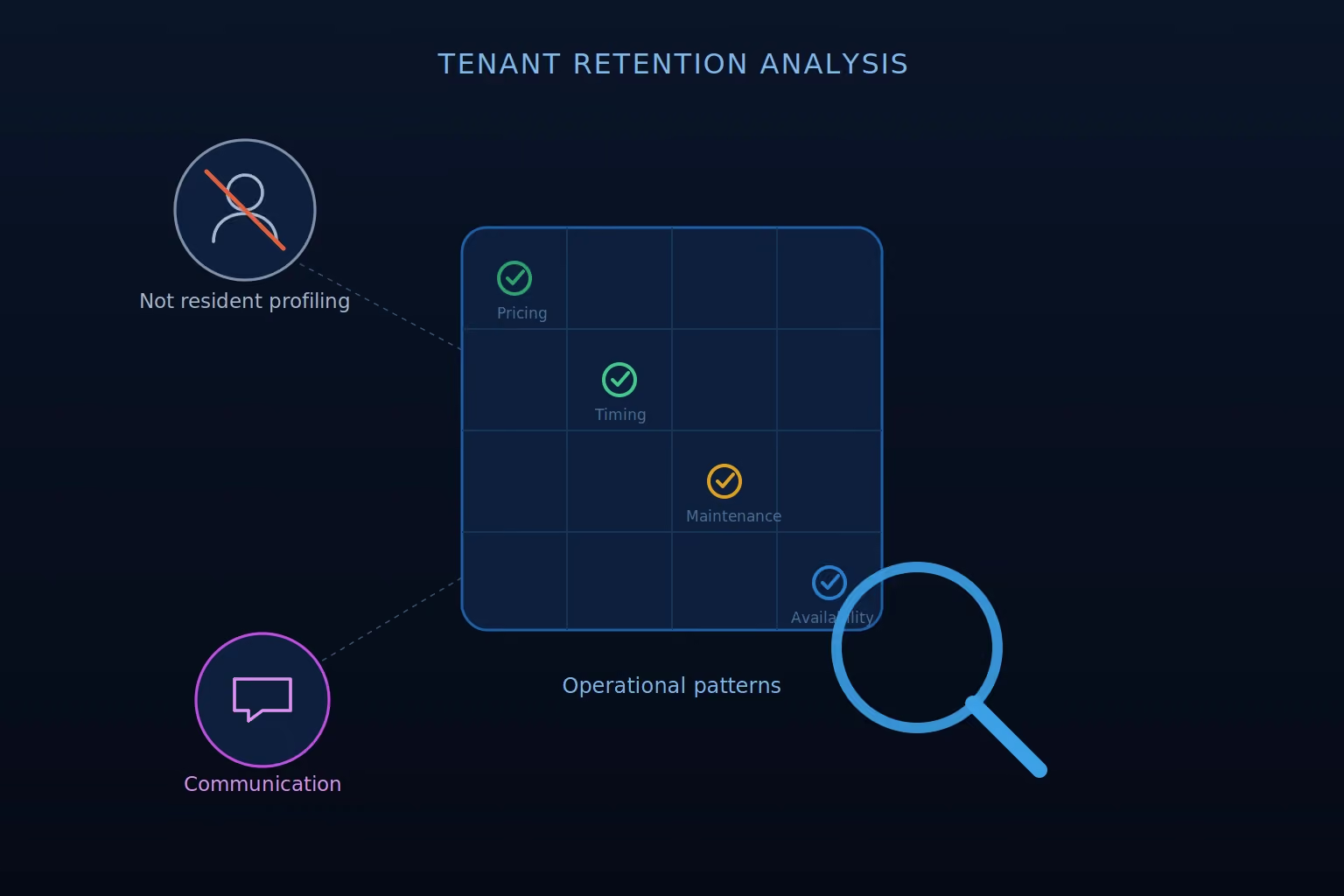
A retention analysis is only valuable when it moves beyond identifying where renewal conversion is strong or weak and helps teams understand what operational factors may be contributing to those outcomes.
The goal is not to explain every individual move-out. It is to identify repeatable patterns across unit types, expiration windows, pricing conditions, resident experience factors, and future availability that can inform operational decisions.
- Review Renewal Conversion Trends by Unit Type and Expiration Window
- Identify Operational Factors Correlating With Non-Renewal
- Evaluate Pricing Alignment and Rent Roll Positioning
- Assess Resident Experience and Maintenance Data
- Connect Retention Findings to Forward Availability
1. Review Renewal Conversion Trends by Unit Type and Expiration Window
Start with the data that shows where retention performance is strong and where it is beginning to soften.
Renewal conversion should be reviewed beyond the property level. Looking only at the overall renewal rate can hide meaningful differences between unit types, bedroom groups, floors, or expiration periods.
For example, a property may have a strong overall renewal conversion rate while one bedroom type is consistently underperforming. That difference can point toward a specific pricing, availability, seasonal demand, or resident experience issue that would not be visible through a property-level average.
Expiration timing should also be evaluated. A specific expiration window with consistently weaker renewal conversion may indicate seasonal demand patterns, renewal timing challenges, or pricing conditions that differ from the broader property trend.
Reviewing retention performance at the unit group and expiration level helps operators move from understanding where retention is changing to evaluating why it may be changing.
2. Identify Operational Factors Correlating With Non-Renewal
Once teams identify the unit types or expiration windows with weaker retention, the next step is understanding the operational patterns associated with those outcomes.
This is where retention analysis moves beyond describing where performance is weak and begins identifying areas where the team may be able to improve. Operational factors to evaluate may include maintenance responsiveness before renewal, the timing between renewal offer delivery and lease expiration, and whether residents received consistent communication and outreach throughout the renewal process.
These are observable operational conditions that teams can influence. They help identify whether weaker retention may be connected to opportunities in maintenance follow-through, renewal timing, communication consistency, or other aspects of the resident experience.
The goal is not to determine why an individual resident left. It is to identify patterns across the portfolio that can inform better operational decisions before the next renewal cycle begins.
3. Evaluate Pricing Alignment and Rent Roll Positioning
Pricing is one of the factors that can influence renewal outcomes, but retention analysis should focus on identifying patterns rather than reviewing individual offers in isolation.
Historical renewal performance can help teams evaluate whether renewal pricing strategies were aligned with market conditions and resident retention goals.
Review questions should include:
- Were certain unit types consistently underperforming after larger renewal increases?
- Were renewal offers aligned with current pricing positioning at the time they were generated?
- Did renewal conversion decline during periods when pricing moved more aggressively?
- Did market conditions change after offers were created that impacted resident decisions?
Retention analysis helps operators determine whether pricing strategy may have contributed to weaker renewal performance and identify opportunities to adjust future renewal approaches.
For a deeper review of renewal pricing strategy, see: Lease Renewal Strategies That Reduce Turnover Costs.
4. Assess Resident Experience and Maintenance Data
Resident experience factors are often upstream indicators of renewal outcomes. While pricing may be the stated reason for a move-out, retention analysis can help identify whether operational experiences throughout the lease term may also be contributing.
Review patterns such as:
- Maintenance responsiveness and resolution trends before renewal
- Open work orders or unresolved issues leading up to expiration
- Communication consistency throughout the resident lifecycle
- Documented resident concerns or service escalations before non-renewal
The goal is not to determine whether a specific maintenance issue caused a resident to leave. It is to identify whether broader operational patterns are associated with weaker renewal performance.
For example, if units with lower renewal conversion consistently show longer maintenance resolution times or more service-related interactions before expiration, those patterns may identify opportunities to improve resident experience before future renewal cycles.
Retention analysis helps teams connect operational execution to renewal outcomes and identify areas where improvements may support stronger retention over time.
5. Connect Retention Findings to Forward Availability
The final step is connecting retention analysis findings to the future availability picture.
A retention trend becomes more actionable when operators understand how it may impact upcoming occupancy conditions. A decline in renewal conversion within a specific unit type has different implications depending on how much future availability exists and when those units are expected to return to market.
For example, a unit type with declining renewal conversion and a concentration of upcoming expirations may require more immediate attention than a similar unit type with limited future exposure.
Connecting retention trends with forward availability helps teams evaluate where additional focus may be needed, including renewal outreach, pricing strategy, leasing priorities, or exposure management.
Retention analysis becomes most valuable when it moves beyond explaining what happened and helps operators understand what may happen next if current trends continue.
Top Picks:
- How to Run a SWOT Analysis in Real Estate: Complete Guide
- Best Rent Analysis Tool for Landlords
How to Act on Tenant Retention Analysis Findings
A retention analysis is only valuable if it leads to specific operational improvements. The purpose of the analysis is not simply to explain past renewal performance, but to help teams identify where adjustments may improve future retention outcomes.
Retention findings should translate into targeted actions based on the patterns identified.
Turning findings into action:
- Weak renewal conversion by unit type or expiration window: Review whether renewal outreach timing, pricing strategy, or leasing focus should be adjusted for that specific group rather than applying changes across the entire property.
- Operational patterns associated with weaker retention: Address maintenance responsiveness, communication consistency, or service follow-through issues before the next renewal cycle reaches those units.
- Pricing alignment concerns: Review renewal pricing against current pricing conditions, replacement opportunities, and turnover economics to determine whether pricing strategy may be contributing to avoidable move-outs.
- Resident experience patterns: Incorporate proactive check-ins, maintenance follow-up, and communication improvements into the pre-renewal process for units approaching expiration.
- Future availability concentration: Prioritize retention efforts for unit types where weaker renewal trends and upcoming exposure are occurring at the same time.
Retention analysis creates the most value when findings are connected to decisions teams can influence before occupancy pressure develops.
How Rentana Helps:
Rentana helps operators turn retention analysis from a periodic review into an ongoing operational discipline by connecting renewal performance, forward availability, and occupancy visibility.
- Renewal conversion tracking helps teams identify where retention trends are improving or weakening across unit types and properties without relying on manual report assembly.
- Exposure forecasting connects retention trends to future availability by showing where upcoming expirations, notices to vacate, month-to-month behavior, and early terminations may create future occupancy pressure.
- Predicted Occupancy helps teams understand the potential impact of current retention trends by showing where occupancy may be heading under current conditions.
- Configurable renewal recommendations allow teams to evaluate renewal offers alongside current leasing conditions, and forward availability rather than reviewing pricing decisions in isolation.
- Portfolio dashboards provide shared visibility across leasing, revenue management, and asset management teams so retention findings can be evaluated and acted on collaboratively rather than through separate workflows.
The goal of retention analysis is not simply to understand why residents left. It is to give teams the visibility needed to identify patterns earlier, make informed adjustments, and improve future renewal outcomes.
Read Also:
- Multifamily Analysis Spreadsheet: Connected Alternatives for Portfolio Operations
- How to Do a SWOT Analysis For Property Management
Conclusion on Tenant Retention Analysis
Tenant retention analysis is not a complicated exercise. It is a structured review of where renewal conversion is strong, where it is softening, and what operational conditions may be contributing to those differences.
Done correctly, retention analysis helps operators move beyond simply reviewing move-outs after they occur. It provides visibility into the patterns that influence renewal outcomes, including pricing alignment, maintenance responsiveness, communication consistency, renewal timing, and future availability conditions.
The value of retention analysis comes from connecting insights to actions. When teams understand where retention is weakening and what operational factors may be contributing, they can make targeted improvements before the next renewal cycle begins.
Retention analysis should remain focused on observable operational data rather than assumptions about individual residents. When organized around unit performance, pricing strategy, resident experience factors, and forward availability, it becomes a fair housing compliant operational discipline that helps teams make better decisions.
The most effective retention strategies are not built around reacting after residents leave. They are built around understanding where retention is heading, identifying opportunities early, and creating the operational conditions that encourage more residents to renew.