Renewal conversion is one of the most important performance levers multifamily operators can actively influence. While economic conditions shape what residents are willing to pay, operators have meaningful control over renewal pricing strategy, outreach, resident experience, and how offers are managed throughout the renewal process.
Every resident who renews can help reduce vacancy exposure, turn costs, make-ready expenses, and the need to re-market the unit. Even modest improvements in retention can therefore have a meaningful financial impact, although the exact savings will vary by property, lease terms, and expiration timing.
Research from the National Apartment Association also highlights disconnects between what property managers believe residents value and what renters actually prioritize, reinforcing that renewal performance is shaped by more than price alone.
Improving renewal conversion requires a deliberate strategy around resident experience, pricing, timing, forward exposure, and ongoing performance tracking.
Related:
- 7 Lease Renewal Strategies That Reduce Turnover Costs
- How to Calculate Vacancy Rate for a Rental Property
What Is Renewal Conversion in Multifamily?
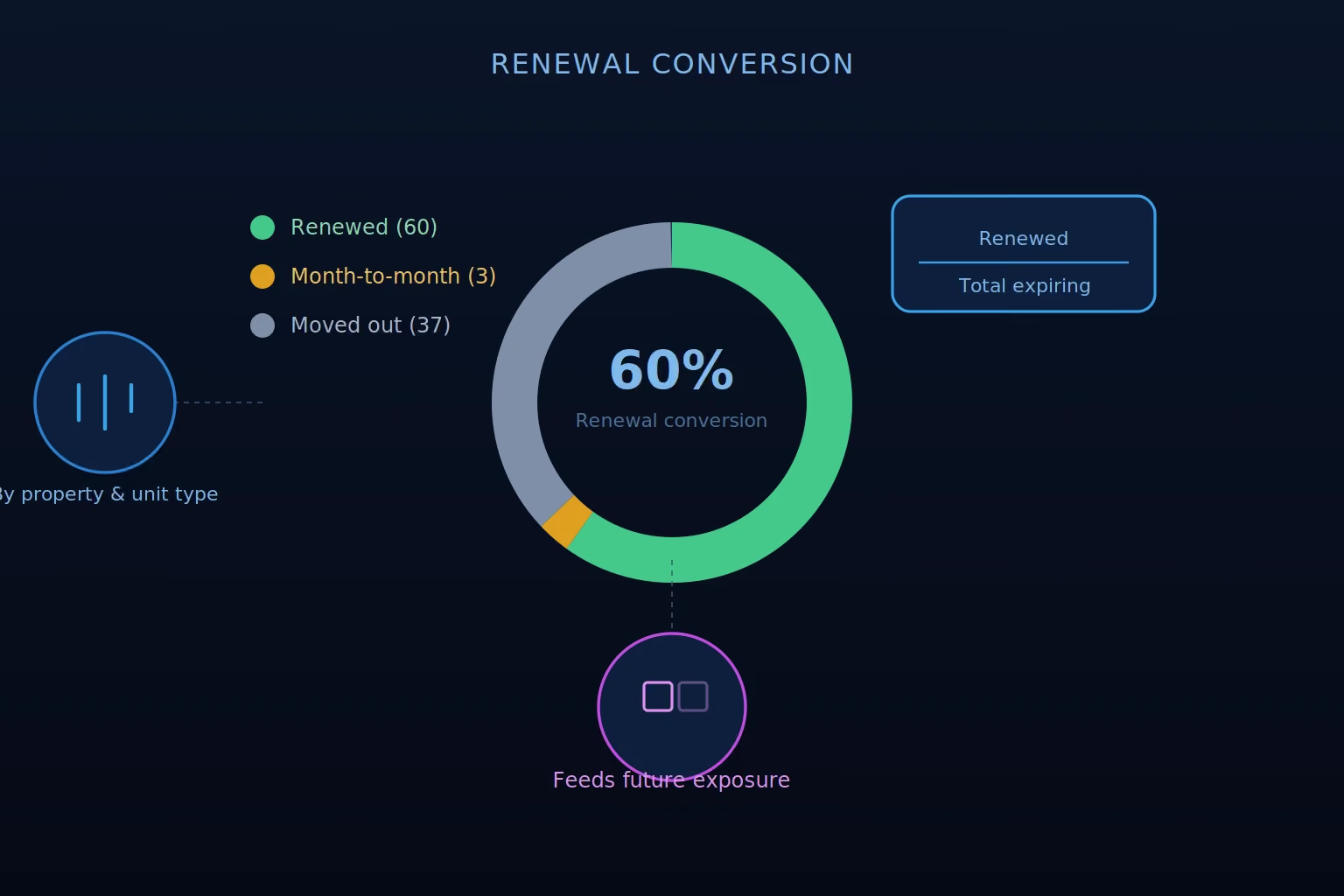
Renewal conversion is the percentage of expiring leases that result in a signed renewal rather than a move-out.
The calculation is: Renewal Conversion Rate = Leases Renewed ÷ Total Leases Expiring
For example, if 100 leases expire during a quarter, 60 residents sign a renewal and 3 become month-to-month, the property’s renewal conversion rate for that period is 60%. The month-to-month residents remain occupied but are not counted as signed renewals.
The metric becomes more useful when it is tracked by property, unit type, and expiration window rather than only at the portfolio level. That visibility helps teams identify where renewal performance is changing and where additional attention may be needed.
Renewal conversion also connects directly to future availability. Every non-renewal creates a unit the leasing pipeline will need to absorb, so declining conversion can become an early signal of future occupancy pressure.
What Drives Renewal Conversion and Where It Breaks Down
Not every non-renewal is something an operator can prevent. Household needs change, residents relocate for work, financial circumstances shift, and some residents simply need a different type or size of home than the property can offer.
The goal of a renewal strategy is not to eliminate every move-out. It is to improve the factors the operator can influence.
Renewal conversion is most directly shaped by a combination of pricing, resident experience, and process. Understanding which of those factors is contributing to lower conversion at a specific property helps teams respond more effectively.
1. Pricing Factors
Renewal pricing needs to reflect current conditions, the resident’s existing rent, replacement economics, and what comparable new leases are being offered at the property.
If renewing residents are being asked to pay materially more than comparable new residents, especially after new lease concessions are considered, the property may create an incentive to move. This type of rent roll inversion can make retention more difficult even when the resident otherwise likes the community.
2. Resident Experience Factors
Renewal decisions are also shaped by the resident’s experience throughout the lease term.
Unresolved maintenance concerns, inconsistent communication, or repeated service issues can affect how a resident approaches the renewal decision. By the time the offer is sent, pricing alone may not be enough to overcome problems that have been building throughout the tenancy.
3. Process Factors
Even a well-priced renewal can underperform if the process is inconsistent.
Late outreach, limited follow-up, unclear communication, or a renewal process that feels purely administrative can reduce the opportunity to understand resident concerns before a decision is made.
A stronger process gives teams enough time to identify issues, communicate the value of staying, and manage the renewal conversation consistently from initial outreach through final decision.
Read Also:
- The Best Lease Renewal Software for Real Estate
- How to Achieve Stabilized Vacancy
How to Improve Renewal Conversion in Multifamily
Improving renewal conversion starts well before the formal renewal offer. The strongest strategies combine early resident outreach, proactive issue resolution, forward exposure, disciplined pricing, and ongoing performance monitoring.
1. Start Resident Outreach Before the Renewal Window
Renewal outreach should begin before it is time to discuss pricing.
A check-in several months before expiration can give residents an opportunity to raise frustrations or unresolved concerns that may otherwise surface only after they have decided to move. This can be as simple as a thoughtful automated email asking about their experience and whether there is anything the team can address.
The formal renewal offer should still be delivered within the appropriate operational and legal timeline, but the relationship-building work should start earlier.
2. Resolve Resident Concerns Before the Renewal Offer
Once concerns are identified, teams have an opportunity to address what is within their control before asking the resident to make a renewal decision.
Open maintenance issues, communication breakdowns, or unresolved service concerns should be reviewed and addressed where possible. The goal is not to prevent every move-out, but to avoid losing residents because of operational issues that could have been resolved earlier.
3. Connect Renewal Strategy to Forward Exposure
Renewal strategy should reflect what the property is expected to have available when the lease expires.
If a particular layout is already overexposed or expected to face a soft leasing period, retaining existing residents may carry greater value because the property may not have sufficient demand to quickly backfill additional vacancy. In that environment, a more conservative renewal increase may make more sense than maximizing rent growth on an individual lease.
Rentana helps teams evaluate scheduled expirations against exposure targets and can surface Insights when layouts are becoming overexposed or leasing and renewal velocity are changing.
Related:
4. Anchor Renewal Pricing to Market Conditions and Replacement Economics
Renewal pricing should consider the resident's current rent, forward exposure, concessions, seasonal demand, and the economics of replacing the lease.
A resident already paying above current pricing may be much more likely to move if they receive another increase, while a resident significantly below market may have room for rent growth while still receiving an attractive renewal offer.
The tradeoff is between potential rent growth and the cost of losing the lease: vacancy loss, turnover expenses, concessions that may be required to secure a replacement resident, and the impact of additional availability.
Renewal strategies and offers should be based on consistent, documented criteria and applied in accordance with applicable fair housing and local regulatory requirements.
Rentana supports this analysis by connecting renewal recommendations to public pricing, forward exposure, and asset strategy. That gives teams more context when deciding whether to prioritize rent growth, retention, or a more conservative increase for a specific layout or expiration period.
5. Monitor Renewal Performance by Layout and Expiration Window
A healthy property-level renewal rate can mask developing issues within individual layouts or expiration periods.
Teams should look for changes in renewal decisions alongside leasing velocity, exposure, and upcoming availability. A layout experiencing declining retention while exposure is increasing may require a different strategy than one with strong demand and limited availability.
Rentana's AI-generated Insights can surface changes such as increasing exposure or shifts in leasing and renewal velocity, helping teams identify where performance is changing and where further investigation may be needed.
Don’t Miss:
- How to Calculate Break-Even Occupancy in Multifamily
- How to Prepare Multifamily Properties for Hurricane Season
Conclusion on Renewal Conversion in Multifamily
Improving renewal conversion is not about preventing every move-out. It is about managing the factors operators can influence more deliberately.
Early outreach, stronger resident experience, forward exposure visibility, disciplined pricing, and performance monitoring all help teams make better renewal decisions before additional vacancy reaches the market.
The strongest renewal strategies balance retention and rent growth against the real cost of replacing a lease, while keeping decisions consistent, compliant, and aligned with current pricing conditions.