


Did you know that even a 10-day difference in how long a unit sits vacant can significantly affect a property’s annual revenue?
For a single apartment, those lost days may not seem dramatic. But across dozens or hundreds of units, small delays between leases can quickly add up. A property that consistently leases units within a week of availability will perform very differently from one where units sit vacant for several weeks at a time.
This is why leasing velocity is important.
Leasing velocity measures how quickly available units are leased within a property or portfolio. It reflects how efficiently a property converts availability into occupied units and how quickly demand absorbs supply. Strong leasing velocity typically signals healthy demand, competitive pricing, and effective leasing operations. When leasing velocity slows, vacancy periods tend to lengthen and revenue gaps begin to appear. For owners, operators, and asset managers, leasing velocity is more than a leasing metric. It is an early indicator of occupancy stability, pricing power, and revenue performance. A property can appear healthy today while slower leasing velocity quietly signals future exposure if multiple units become available at the same time.
Understanding what leasing velocity means, and how operators can influence it, helps property teams maintain stronger occupancy, reduce vacancy loss, and protect revenue performance across their portfolios.
Related: The Best Lease Management Software for Multifamily Real Estate
What Is Leasing Velocity in Multifamily Real Estate?
Leasing velocity refers to the speed at which available units are leased after they enter the market. In multifamily real estate, it is often measured by how long units remain avaialble before a lease is signed. Properties with strong leasing velocity fill units quickly, minimizing vacancy gaps and maintaining consistent rental income. Slower leasing velocity means units remain on the market longer, which can create revenue loss and operational pressure. It is important to distinguish leasing velocity from occupancy.
Occupancy represents the percentage of units that are currently leased at a specific moment. Leasing velocity, on the other hand, measures how quickly new availability is absorbed by the market.
A property may appear healthy with 95% occupancy, yet still experience slow leasing velocity if newly available units take several weeks to lease.
Over time, those longer vacancy periods can create hidden exposure, especially if multiple leases expire within the same period.
Because of this, asset managers and marketing directors often monitor leasing velocity alongside occupancy to understand not just where a property stands today, but how quickly it can maintain that position as units become available.
Related: Multifamily AI Leasing Assistants: Use Cases & Benefits
Why Leasing Velocity Matters for Property Performance
Leasing velocity directly influences revenue stability, pricing power, and operational efficiency across a property or portfolio. Even small changes in leasing speed can compound financially when applied across many units.
1. Vacancy Loss
The most immediate impact of leasing velocity is vacancy loss. The longer a unit remains vacant after becoming available, the greater the revenue gap.
Even modest differences in vacancy timelines can accumulate quickly. A property where units remain vacant for 25 days instead of 10 days may experience significantly higher revenue loss across a year of leasing activity.
2. Exposure and Occupancy Risk
Leasing velocity also influences exposure management.
If several leases expire within a short window and leasing velocity is slow, a property may struggle to maintain occupancy targets. Even when renewal conversion remains stable, concentrated availability can temporarily exceed market demand.
Managing leasing velocity helps properties absorb availability gradually rather than facing sudden vacancy pressure.
3. Pricing Power
When units lease quickly, operators maintain stronger pricing power. Demand is absorbing supply efficiently, allowing properties to hold pricing or implement measured increases.
When leasing velocity slows, however, properties may need to adjust pricing, increase concessions, or extend marketing timelines in order to attract renters. Over time, this can influence the overall revenue trajectory of the property.
4. Leasing Momentum
Strong leasing velocity also creates consistent leasing momentum.
A steady pace of signed leases supports occupancy stability and reduces operational disruption. When leasing slows, gaps between move-outs and new leases can widen, creating volatility in both occupancy and cash flow.
For these reasons, leasing velocity is often viewed as an early signal of future performance, helping operators detect changes in demand before they appear in occupancy metrics.
Top Pick: Centralized Leasing in Multifamily: A Complete Guide
What Factors Influence Leasing Velocity?
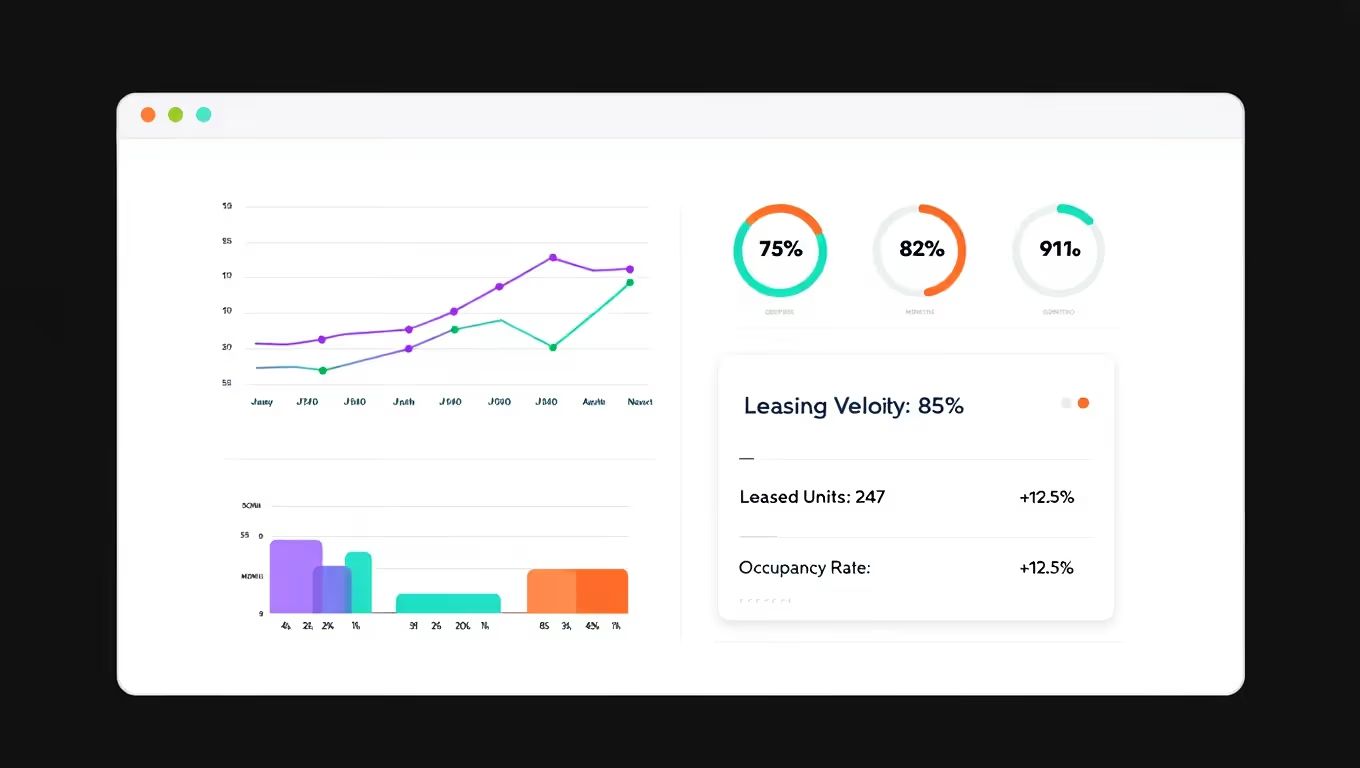
Leasing velocity is influenced by a combination of market conditions and operational decisions. While external factors play a role, property-level strategy often determines how quickly available units lease.
1. Pricing Relative to Market Conditions
Pricing is one of the most immediate drivers of leasing velocity.
When rents are aligned with market demand and comparable properties, units tend to lease more quickly because renters perceive the offering as competitive. When pricing significantly exceeds nearby alternatives, units may remain available longer while prospective residents evaluate other options.
Even small pricing adjustments can influence how quickly renters move forward with a lease.
2. Concessions and Leasing Specials
Leasing incentives such as rent concessions or promotional specials can influence leasing velocity. When demand softens or competition increases, operators often introduce limited-time incentives to encourage renters to move forward more quickly.
However, it can be difficult to determine whether a concession is truly improving leasing momentum or simply reducing revenue. Platforms like Rentana help track leasing performance alongside concession activity, allowing teams to evaluate how different specials affect leasing speed and adjust strategies more effectively.
Related: How to Centralize Leasing Without Losing Resident Experience
3. Availability Exposure
The number of units available at the same time also affects leasing velocity.
When multiple units enter the market simultaneously—such as during large renewal expiration cycles—leasing pace may slow temporarily simply because there is more available inventory within the property.
Staggering lease expirations and managing renewal timing helps smooth availability and maintain consistent leasing momentum.
4. Marketing Visibility
Units must be visible to prospective renters in order to lease quickly. Properties that maintain strong listing visibility, updated availability information, and clear unit descriptions tend to attract more consistent interest.
When listings are outdated, incomplete, or difficult to find, leasing velocity can slow because prospective renters are less likely to discover available units.
5. Product Positioning and Amenities
Unit features and amenities can also influence how quickly apartments lease. Certain layouts, renovations, or amenity packages may consistently attract stronger demand than others.
For example, units with in-unit laundry, updated kitchens, or preferred views may lease faster than otherwise similar apartments. When these differences are not reflected in pricing or marketing, properties may see inconsistent leasing velocity across unit types.
Analyzing how specific amenities influence days on market can provide valuable insight. If units with certain features consistently lease faster, operators can adjust pricing, marketing positioning, or renovation priorities to better reflect renter demand.
6. Seasonal Demand Patterns
Leasing demand often follows predictable seasonal patterns. In many markets, activity increases during spring and summer when renters are relocating, graduating, or starting new jobs.
During slower seasons such as late fall or winter, leasing velocity may naturally decline as fewer renters are actively searching.
Understanding these patterns helps operators interpret leasing performance more accurately throughout the year.
Top Pick: How Real Estate Uses Data Analytics
How Property Teams Can Improve Leasing Velocity

While market conditions influence leasing speed, operators still have several tools to help maintain consistent leasing momentum.
1. Manage Exposure and Lease Expiration Distribution
One of the most effective ways to protect leasing velocity is by managing how many units become available at the same time.
If too many leases expire within a short window, the property may temporarily face more availability than the market can absorb. By distributing lease expirations more evenly throughout the year, operators can reduce sudden exposure and maintain steadier leasing activity.
2. Align Pricing with Market Demand
Pricing strategy plays a central role in leasing velocity. Units priced competitively relative to market demand tend to attract more consistent interest and lease more quickly.
Monitoring leasing pace alongside pricing helps operators identify when rents may be positioned too aggressively or when market demand supports higher pricing.
3. Market Upcoming Availability Earlier
Advertising units before they become vacant can significantly reduce vacancy timelines.
When prospective renters can see upcoming availability several weeks in advance, leasing activity can begin before the current resident moves out. This allows tours, applications, and lease signings to occur earlier, shortening the gap between residents.
4. Streamline Unit Turnover
Operational efficiency also influences leasing speed. The faster a unit can be cleaned, repaired, and prepared after move-out, the sooner it can return to the market.
Coordinating maintenance teams and leasing teams helps minimize delays and keeps units available for new residents as quickly as possible.
5. Improve Leasing Funnel Conversion
Leasing velocity is also affected by how effectively interest converts into signed leases.
Prompt responses to inquiries, well-organized tours, and a clear leasing process help maintain prospect engagement and increase the likelihood that interested renters commit to a lease.
Taken together, these strategies help properties maintain stronger leasing velocity by reducing delays in the leasing process and ensuring that available units are visible, competitively positioned, and ready for new residents.
Read Also: Why Investors Are Turning to AI-Assisted Real Estate Advice
Using Data and Technology to Monitor Leasing Velocity
Leasing velocity becomes much easier to manage when operators can identify changes early. Instead of discovering slow leasing only after vacancy has increased, analytics platforms allow teams to monitor leasing patterns continuously and continuously respond sooner.
Portfolio-level visibility is particularly valuable. When leasing velocity can be viewed across multiple properties, asset managers can quickly identify where units are leasing quickly and where momentum may be slowing.
Analytics can also reveal patterns at the floor plan or unit type level. In many portfolios, certain layouts consistently take longer to lease than others. Identifying these trends allows operators to evaluate pricing, marketing visibility, or product positioning before vacancy periods grow longer.
Analytics can also reveal patterns at the floor plan or unit type level. In many portfolios, certain layouts consistently take longer to lease than others. Identifying these trends allows operators to evaluate pricing, marketing visibility, or product positioning before vacancy periods grow longer.
Analytics can also highlight how specific unit features influence leasing speed. By reviewing how long units with certain amenities remain on the market, operators can identify which features consistently drive demand. These insights can help inform pricing strategy, renovation decisions, and marketing positioning across the portfolio.
Platforms like Rentana surface these signals by identifying amenity-level leasing performance and flagging outliers where units with similar characteristics lease at very different speeds. This type of analysis helps teams understand which features are influencing leasing momentum and where adjustments may improve leasing velocity.
Another important advantage of analytics is forecasting availability. When upcoming lease expirations and potential move-outs are visible in advance, operators can anticipate future exposure and prepare leasing activity earlier.
Rentana helps bring this visibility into one system by organizing leasing performance, renewal pipelines, and availability forecasts into one system. For example, Rentana can help teams:
- Monitor leasing velocity across multiple properties from a portfolio view
- Identify floorplans and unit types that are leasing more slowly
- Forecast upcoming availability based on renewal timelines and potential move-outs
- Track leasing momentum over time to identify shifts in demand
- Evaluate predicted occupancy trends before vacancy increases
With clearer visibility into leasing momentum, teams can identify changes earlier, adjust pricing and marketing strategy, and maintain stronger occupancy across their properties.
You Might Like: What is the 2 Percent Rule in Real Estate?
Conclusion on Leasing Velocity
Leasing velocity is one of the clearest indicators of how efficiently a property converts demand into revenue.
When units lease quickly, vacancy periods remain short, occupancy stays stable, and pricing power is easier to maintain. When leasing slows, however, vacancy gaps widen and operators may face increasing pressure to adjust pricing or concessions.
For multifamily owners and operators, leasing velocity offers an important early signal of future performance. Monitoring how quickly units lease helps reveal whether demand is keeping pace with availability and whether leasing strategy is aligned with market conditions.
By managing exposure, aligning pricing with demand, and using analytics to monitor leasing trends, operators can maintain stronger leasing momentum and reduce unnecessary vacancy across their portfolios.
Over time, even small improvements in leasing velocity can compound into more stable occupancy, stronger pricing power, and improved revenue performance across multifamily assets.
Frequently Asked Questions on Leasing Velocity
What Are The 4 Types Of Leasing?
The four common types of leasing in real estate are gross leases, net leases, percentage leases, and modified gross leases. Each type determines how rent and operating expenses such as taxes, insurance, and maintenance are shared between the landlord and tenant.
What Is The Leasing Velocity Formula?
The leasing velocity formula measures how quickly units are leased over a period of time:
Leasing Velocity = Number of Units Leased ÷ Time Period
For example, if 20 units are leased in 10 days, the leasing velocity is 2 units per day.
What Is A Leasing Velocity Calculator?
A leasing velocity calculator is a tool used by property managers and leasing teams to measure how quickly units are rented. It typically uses inputs like the number of units leased and the time period to calculate leasing speed and help forecast occupancy and revenue performance.


