
Class A multifamily buildings often feel like the stars of the rental world. They are places with modern kitchens, fitness centers, and bright lobbies that look like luxury hotels.
Investors talk about them a lot because they attract higher earning renters and usually sit in the best parts of a city. But what actually makes a property Class A, and why does it matter for anyone looking to invest in real estate? This guide breaks down the meaning of Class A multifamily properties in a simple way and shows how investors can understand them using clear facts, real examples, and smart tools.
Related: Is Multifamily Considered Commercial or Residential?
What Is Class A Multifamily Property?
Class A multifamily property is a top level, luxury apartment building that is usually under 10 to 15 years old or recently renovated to look and feel new. These buildings are designed with modern architecture, high quality materials and premium amenities that create a comfortable and stylish living experience. Common features include fitness centers, pools, smart home systems, secure parking and well designed shared spaces.
Class A properties are found in the most desirable parts of a city. These are areas with strong job markets, good schools, walkability and easy access to shopping, restaurants and transportation. Because of this, they attract high income tenants who rent by choice rather than necessity. These renters value convenience and lifestyle benefits, so they are willing to pay higher rents.
Investors often view Class A multifamily buildings as strong assets because they combine high rental demand, lower maintenance needs and long term value in stable locations.
Key Features That Set Class A Multifamily Apart

Class A multifamily properties stand out because they offer a level of quality and comfort that goes beyond what you find in most other rental buildings. These features make them appealing to high income renters and attractive to investors who want stable, long lasting assets. Below are the traits that clearly set Class A properties apart.
1. Luxury Interior Finishes
Units in Class A buildings often feel like upscale homes. They may include stone countertops, stainless steel appliances, high quality flooring, large windows, modern lighting and stylish bathroom designs. These finishes help the property look new, polished and inviting.
2. High Rents Supported by Strong Demand
Because Class A buildings offer high quality living spaces and desirable amenities, they are able to charge higher rents. Tenants are willing to pay more for comfort, convenience and a prime location. These higher rents often translate into stronger income for investors.
3. Professional and Reliable Property Management
Class A properties are usually managed by experienced teams who focus on service, resident satisfaction, and daily operations. This level of management helps keep the building in great condition and supports long term tenant retention.
4. Located in Desirable Neighborhoods
These properties are found in areas with strong job demand, good schools, and easy access to transportation, parks, entertainment, and shopping. The quality of the location increases demand, keeps vacancy rates low and supports higher rental prices.
5. Advanced Building Systems
Class A multifamily buildings often use modern technology to improve comfort and efficiency. Examples include smart entry systems, luxury appliances, concierge services, and high speed internet. These features make the property easier to maintain and more appealing to tenants.
6. Lower Maintenance Needs
Because these properties are newer or recently updated, they typically require fewer repairs. This reduces ongoing costs and keeps the building looking fresh. For investors, fewer repairs mean more predictable expenses and better long term performance.
Top Pick: 2026 Real Estate Market Predictions and Forecast
Pros and Cons of Investing in Class A Multifamily

Investing in Class A multifamily properties can be appealing because these buildings offer strong income potential and attract reliable tenants. At the same time, they come with challenges that investors must understand before making a purchase. Here are the main advantages and drawbacks.
Pros
1. Stable and Predictable Income
Class A properties are located in strong markets with steady demand. Because of this, they tend to have lower vacancy rates and more consistent rental income. Tenants usually stay longer and appreciate the quality of the living experience.
2. High Quality Tenants
These buildings attract renters with higher incomes who choose to rent for lifestyle reasons. They often care about the property, follow lease rules and pay rent on time. This reduces risk for owners and improves overall building performance.
3. Lower Maintenance and Repair Needs
Since Class A properties are newer or recently upgraded, they usually need fewer repairs. Building systems, appliances and structures are in better condition, which lowers unexpected costs and creates smoother operations for investors.
4. Strong Long Term Value
Because these properties sit in desirable locations and offer premium living spaces, they tend to hold their value well. Even in slower markets, Class A buildings often remain competitive because people still want high quality housing.
Read Also: What is the 2 Percent Rule in Real Estate?
Cons of Investing in Class A Multifamily Properties
1. Higher Purchase Prices
Class A multifamily buildings are expensive to buy. Their quality, location and amenities push prices higher, which can make it harder for new investors to enter this asset class. Larger down payments and stronger financing may be required.
2. More Sensitive to Market Shifts
When the economy slows, renters may move to more affordable options. Class A properties can experience pressure on rents or may need to offer incentives to keep occupancy high. Luxury units tend to feel these changes sooner than lower tier properties.
3. Limited Ability to Raise Rents Quickly
Because Class A buildings already charge premium rents, there is less room to increase prices without losing tenants. This means value growth may be slower compared to Class B or C properties that can be improved or repositioned.
4. Higher Expectations from Tenants
Residents expect excellent service, top tier amenities and fast responses to maintenance needs. Property managers must meet these expectations, which can increase operating costs and require more hands-on oversight.
Related: Real Estate Predictive Analytics: Top 8 Applications
How to Leverage Analytics for Multifamily Investing
Successful multifamily investing depends on clear information. Class A properties may look impressive on the surface, but smart investors rely on data to understand whether a deal truly performs well.
Analytics help investors compare rents, track expenses, study neighborhood trends and predict long term returns. When you use data instead of guesswork, you can make decisions with confidence and spot opportunities that others might miss.
How to Leverage Analytics for Multifamily Investing
Multifamily investing becomes far more effective when you can see what is happening inside your properties with real data instead of guessing. Investors who rely on analytics are able to spot trends early, understand how demand is shifting, compare performance across buildings and make smarter pricing and operational decisions. Strong data tools turn what used to be slow research into instant insights.
How Analytics Strengthen Multifamily Investing
1. Track demand and occupancy trends
Understanding how renter demand changes over time helps investors judge whether a property is healthy. With the right analytics, you can see spikes or dips in demand, forecast future availability and monitor occupancy patterns to stay ahead of problems.
2. Compare your properties to competitors
Good analytics show how your property performs next to real comps in the market. This includes trends in market rent, pricing strategies, amenities, specials and even unit level differences. This helps investors understand whether their building is competitive or overpriced.
3. Improve pricing decisions with data
Pricing is one of the most important levers for multifamily performance. With analytics, investors can see the exact variables that affect rent changes, follow market shifts and adjust pricing with confidence instead of relying on guesswork.
4. Spot operational issues quickly
Analytics highlight where a property is underperforming. High days vacant, slow conversions or changes in demand can be identified early so investors can address issues before they grow.
5. Evaluate performance across multiple assets
If you own more than one property, portfolio-level analytics let you see where your attention is needed. Grouping properties by asset type, location or partner helps investors understand trends across their entire portfolio.
Top Pick: A Guide to Choosing a Multifamily Market Analytics Software
Where Rentana Helps Investors Win
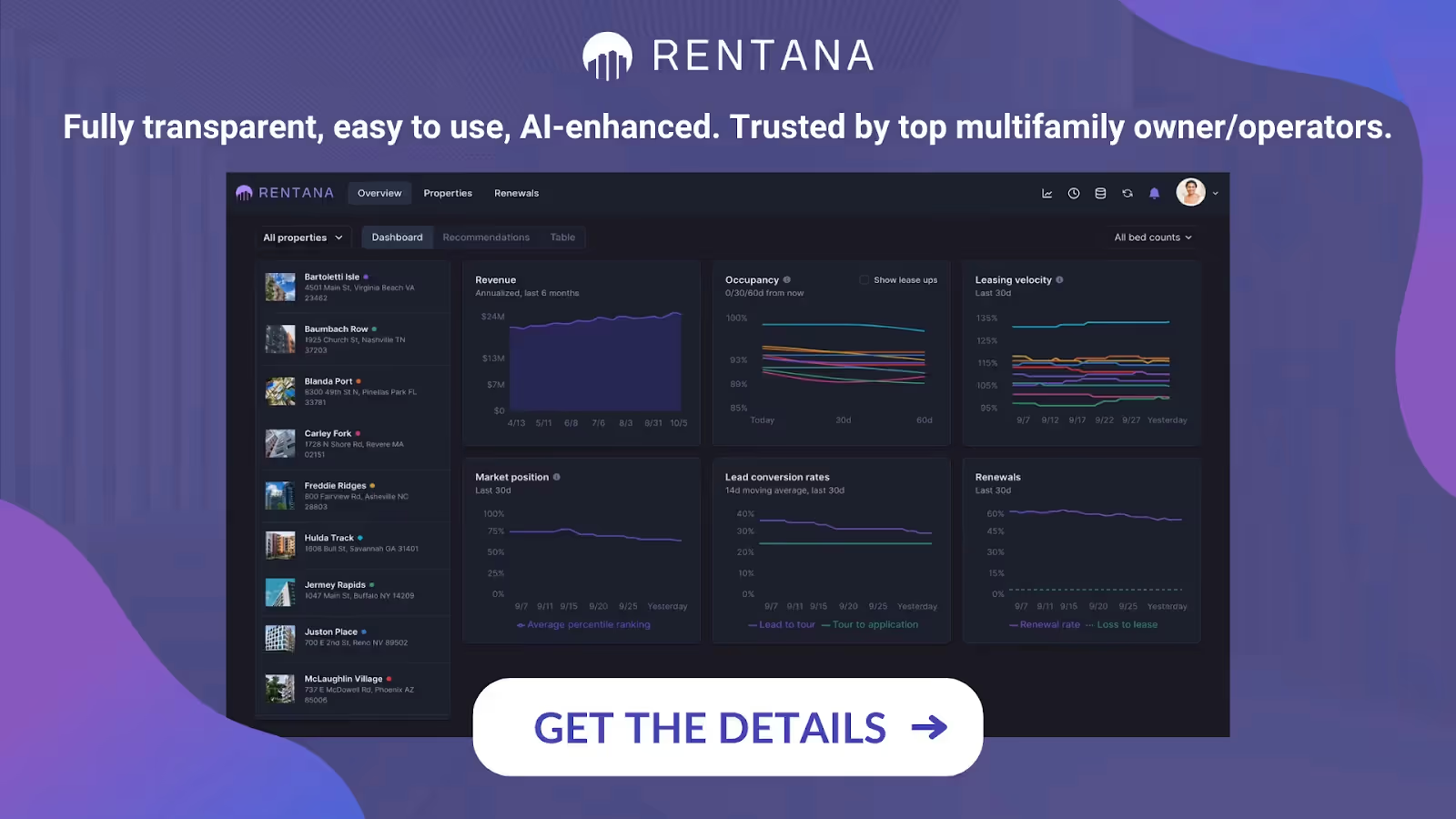
Rentana gives multifamily investors a complete view of how their properties are performing at every level, from the entire portfolio down to individual units. Instead of digging through spreadsheets, investors can instantly see the health of their assets and understand the story behind the numbers. Everything is transparent, visual and powered by AI.
Key Rentana Features for Investors
- Portfolio-level insights
Quickly see all properties grouped by client, partner, geography or asset type, with red, yellow and green indicators showing performance at a glance. - Demand, supply and occupancy analytics
View trends in demand, conversion rates, availability forecasts and occupancy changes over time at the property, bedroom mix or unit level. - AI-powered pricing recommendations
Receive suggested price changes for specific unit types, along with clear AI explanations and supporting graphs that show exactly why a change is recommended. - Transparent competitor analysis (comps)
See selected comp properties in detail, including amenities, floor plans, fees, rent specials and square foot normalization. Even view comps in Google Street View for context. - Unit-level insights
Identify units with high or low days vacant, see amenity impacts and spot patterns that help inform pricing or renovation decisions. - Metrics browser for custom analysis
Build your own reports by selecting any metric and comparing it across properties or drilling down to a single asset. - Easy data access and connectivity
Download structured data through CSV or connect Rentana to your BI tools or database through API integration.
Rentana pulls all the pieces together so investors have a clear, real time view of what is happening inside their multifamily assets. The platform gives investors the information they need to improve pricing, boost occupancy and increase revenue with confidence.
Don’t Miss: How To Calculate the Value of a Multifamily Property Easily
Conclusion on Class A Multifamily Property
Class A multifamily properties offer strong appeal through their quality, stability and long term value, but understanding their true performance requires more than a quick glance at amenities or location. Investors who rely on clear data can see how demand shifts, how pricing should adjust and where opportunities for improvement appear.
With the right analytics, finding and managing high quality multifamily assets becomes far more strategic. Tools like Rentana make this level of insight easier by turning complex information into clear guidance, helping investors approach Class A opportunities with confidence and a sharper understanding of what drives real results.
Frequently Asked Questions on Class A Multifamily
What Are Class A Units?
Class A units are high-quality multifamily properties that are typically newer or recently renovated. They are located in desirable areas and offer modern amenities such as updated appliances, fitness centers, parking garages, and premium finishes. These properties attract higher-income tenants and usually command higher rents.
Should I Invest In Class A Or Class C?
Whether you should invest in Class A or Class C multifamily properties depends on your investment goals. Class A properties offer lower risk, stable tenants, and less maintenance but usually provide lower cash flow. Class C properties are older and require more management but can generate higher returns if repositioned successfully. Conservative investors often prefer Class A, while value-add investors may choose Class C.
What Are The Asset Classes For Multifamily?
Multifamily properties are commonly divided into four asset classes:
- Class A: Newer, high-end properties in prime locations
- Class B: Well-maintained, slightly older properties with moderate rents
- Class C: Older properties that may need upgrades and active management
- Class D: Properties in poor condition or high-risk areas
These classes help investors assess risk, return, and management intensity.
What Is An Example Of A Multifamily Property?
An example of a multifamily property is an apartment building with multiple residential units under one ownership. This can include duplexes, triplexes, fourplexes, garden-style apartment communities, or large apartment complexes with dozens or hundreds of units.