A property manager once described a moment that changed the way she ran her entire portfolio. For weeks, everything looked normal on paper. Occupancy was steady, leads were coming in and renewal notices were going out on time.
Then, almost overnight, applications slowed, a few high-rent units sat vacant longer than expected and revenue began slipping before anyone understood why. By the time her team reacted, the building had lost thousands.
Stories like this happen every day in real estate, not because investors lack data, but because they lack the ability to see what will happen next. That is where real estate predictive analytics becomes powerful.
Instead of reacting to problems after they appear, investors can forecast demand, anticipate vacancies, spot pricing opportunities and identify risk early enough to protect revenue. In fact, using predictive analytics can improve investment decision accuracy by 15–25% compared to conventional methods, helping investors avoid poor deals and better manage risk.
Modern platforms such as Rentana help with real estate predictive analytics by making it easily accessible through AI. This is done by surfacing public market patterns that would take hours to catch manually.
In this article, you’ll learn eleven practical ways predictive analytics is reshaping real estate, from pricing and demand forecasting to operational planning and smarter investment decisions.
Related: How To Do A Rental Market Analysis Like a Pro (With AI Tools)
8 Ways to Apply Predictive Analytics in Real Estate
- Predicting how much renter demand a property will have
- Forecasting future occupancy and upcoming availability
- Suggesting the best rent prices for each unit type
- Spotting units that may stay empty longer than others
- Noticing early signs that leasing activity will be slowing
- Showing how rent prices might change in the future
- Predicting which unit types will lease fastest
- Showing which properties in a portfolio are on track or falling behind
1. Predicting How Much Renter Demand a Property Will Have
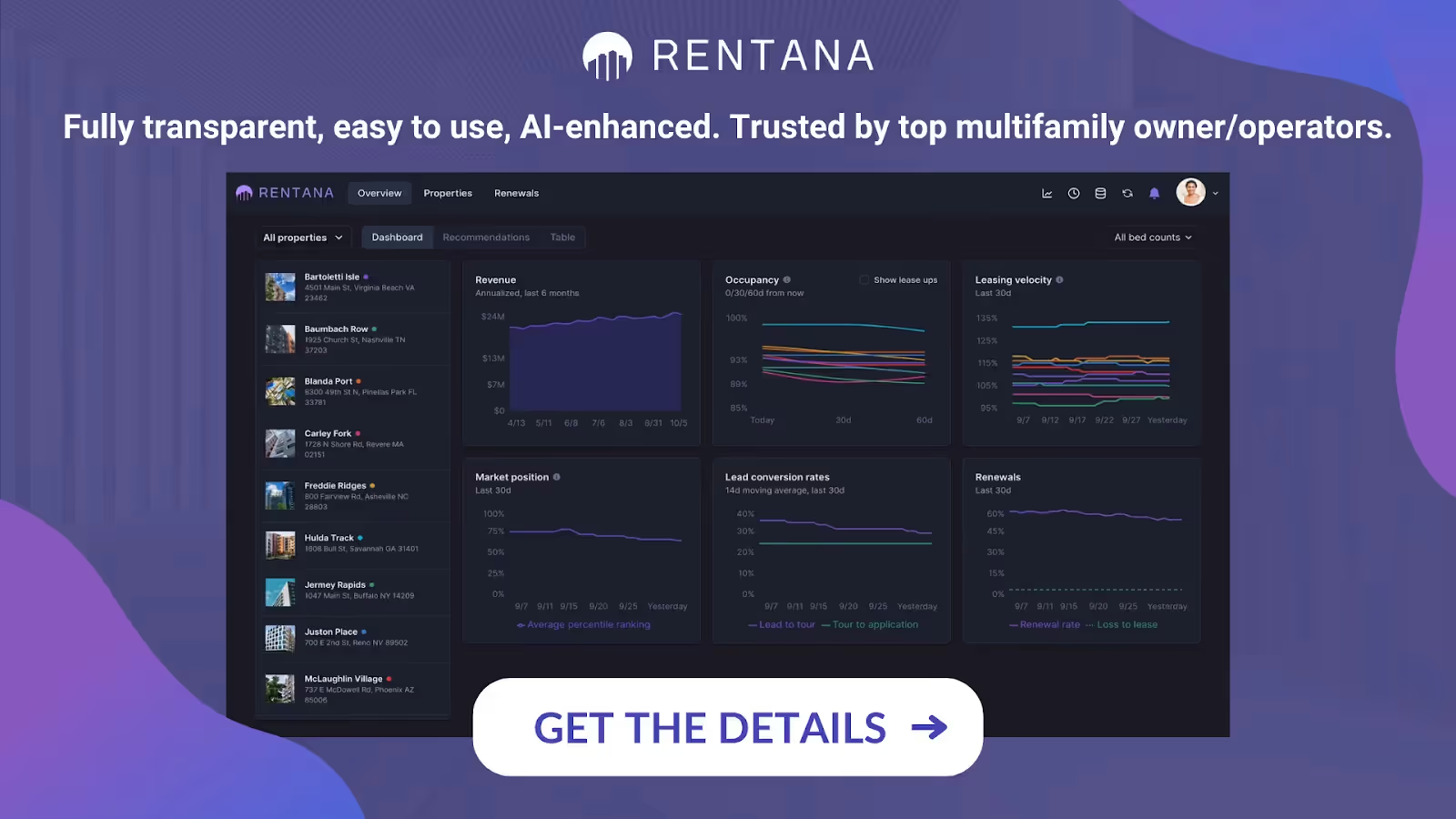
Real estate predictive analytics helps property owners understand how many people are likely to be interested in their building in the future.
Instead of guessing, the system looks at past data, like how many people visited the website, how many asked for tours and how many actually applied for a unit. It also watches trends, such as busy seasons, slow months and changes in the local market.
When this information is put together, the system can show whether demand is rising, staying steady or dropping. This helps investors prepare early. If demand is going up, they might raise prices or plan for fewer vacancies. If demand is falling, they can adjust pricing or marketing before it hurts their revenue.
A real estate predictive analytics tool like Rentana makes this even easier by showing demand trends in clear charts and explaining what is changing and why.
2. Forecasting Future Occupancy and Upcoming Availability
Predictive analytics can help property owners see how full their building will be in the coming weeks or months. Instead of waiting to find out when units become empty, the system looks at lease end dates, renewal patterns, past move-out trends and current demand. By putting all this information together, it can estimate when units will open up and how occupancy will change over time.
This helps investors plan ahead. If the forecast shows future openings in a slow season, they can adjust pricing or begin marketing earlier. If the building is expected to stay full, they can focus on other parts of operations instead of worrying about leasing.
Rentana shows future availability and occupancy trends directly on the property dashboard. It uses past leasing patterns, demand signals and unit data to predict when units will become vacant. This lets investors see problems early and take action before occupancy drops.
Related: What is a Good IRR for a Rental Property?
3. Suggesting the Best Rent Prices for Each Unit Type
Real estate predictive analytics also helps owners choose the right rent for every unit type, like studios, one-bedrooms or two-bedrooms. Instead of setting prices by guesswork, the system studies demand, how fast similar units are renting, market changes and what nearby properties are charging. It then uses this information to suggest strong price points that match current conditions.
Good pricing keeps units from sitting empty and helps owners earn the most revenue without turning renters away.
With Rentana, you get AI-powered pricing recommendations for each unit type. It also explains why the price should change and shows the data behind the suggestion, such as demand trends, comp rents and occupancy shifts. This helps investors make smart pricing decisions with confidence.
4. Spotting Units That May Stay Empty Longer Than Others
Some units rent quickly, while others take more time. Predictive analytics studies patterns like days vacant, interest from renters, tour activity and how similar units have performed in the past. With this information, it can warn owners which units might sit empty if nothing changes.
This helps investors act early by adjusting the price, refreshing the listing or improving the offer before lost rent begins to add up.
Top Pick: How To Calculate the Value of a Multifamily Property Easily
5. Noticing Early Signs That Leasing Activity will be Slowing
Rea estate predictive analytics can detect when fewer people are touring, applying or showing interest in a property. Instead of waiting until occupancy drops, the system watches small changes in leasing activity that humans might miss. For example, it may spot fewer website visits, fewer scheduled tours or a drop in conversions from tours to leases.
Seeing these early signs helps owners take action before the slowdown becomes a real problem. They can adjust pricing, boost marketing or offer renewal incentives to keep the building stable.
Rentana tracks demand signals like tours, applications and conversions over different time frames. If these numbers start slipping, Rentana shows the trend clearly and signals that leasing activity may be weakening. This gives investors a much earlier warning than traditional reports.
6. Showing How Rent Prices Might Change in the Future
Real estate predictive analytics can also estimate how rents may move over time by studying patterns in demand, seasonality, renewal behavior and market changes. This helps owners plan ahead instead of reacting at the last minute. For example, if the system predicts stronger demand next month, an owner might prepare for a small rent increase. If it predicts a slowdown, they might hold steady to keep units filled.
This kind of forecasting helps investors think long term and make decisions that protect both occupancy and revenue.
7. Predicting Which Unit Types Will Lease Fastest
Some unit types, like studios or one-bedrooms, may lease faster than others depending on the season, location or renter preferences. Predictive analytics looks at past leasing speed, demand patterns and conversion rates to figure out which unit types are most popular. This helps owners know which units to promote, which to adjust pricing on and which might need more attention.
Understanding which units move quickly makes leasing more efficient and helps reduce vacancy.
Rentana tracks conversions, demand and availability separately for each group. This makes it easy to see which unit types are leasing fastest and which ones may need pricing or marketing adjustments.
Related: 2026 Real Estate Market Forecast
8. Showing Which Properties in a Portfolio Are On Track or Falling Behind
When investors own more than one property, it can be hard to keep track of everything at once. Predictive analytics makes this easier by showing which properties are performing well and which might need help. Patterns across the whole portfolio become clear, like rising vacancy in one region or strong leasing in another.
This helps investors focus on the properties that need the most attention instead of treating every building the same.
Rentana’s portfolio-level view uses simple red, yellow and green indicators to show the health of each property. It instantly highlights which assets are off track in occupancy, demand or other key metrics. This gives investors a quick, predictive snapshot of where to act first.
Why Predictive Analytics in Real Estate Is Important

Predictive analytics matters in real estate because problems rarely appear overnight. They build slowly in the background, hidden inside scattered data, until one day they turn into lost revenue, falling occupancy or weak leasing results. Without tools that can read these early signals, owners often discover issues only after the damage is done.
1. It Prevents Slow Vacancy Creep
Imagine a property where leasing activity quietly drops for three weeks. Tours go down, online interest dips and fewer people apply, but everything still looks fine on the monthly report. By the time the owner realizes occupancy is sliding, several high-rent units have been sitting empty.
Predictive analytics would have caught this early by flagging declining demand and slower conversions. Instead of reacting too late, the owner could adjust pricing or marketing before revenue slipped.
You Might Like: What is a Good Cap Rate for a Multifamily Property?
2. It Avoids Overpriced Units Sitting Empty
A common problem is units that stay vacant simply because the rent is a little too high for current market conditions. Without predictive analytics, owners often find out weeks later when losses have already stacked up.
Predictive analytics can look at comps, demand patterns and days-vacant risk to warn owners that specific units need attention. One small adjustment at the right time can prevent thousands of dollars in lost rent.
3. It Protects Owners from Sudden Market Shifts
Sometimes the market changes fast. A new competitor offers specials. A seasonal slowdown hits harder than expected. A local employer downsizes. When owners rely only on static reports, they react after the shift has already harmed occupancy or pricing strength.
Real estate predictive analytics notices these changes early by spotting differences in traffic, demand and rent behavior across the market. It gives owners time to adjust before the situation becomes serious.
4. It Helps Owners make Smarter Pricing Decisions
Setting rents too high can cause vacancy. Setting them too low leaves money on the table. Without predictive analytics, pricing decisions rely on guesswork or late-arriving data.
Predictive analytics studies the full picture: demand signals, comps, leasing patterns, seasonality, and guides owners to make the right move at the right time.
5. It Keeps Portfolios from Drifting off Track
For owners with multiple properties, patterns can be hard to spot. One building may be falling behind while others look fine, and the issue stays hidden until it spreads.
Predictive analytics highlights early warning signs across all assets, making portfolio management proactive instead of reactive.
Don’t Miss: The Best AI Tools for Real Estate Investors
Conclusion on Real Estate Predictive Analytics
Real Estate predictive analytics gives owners and investors something they never had before: the ability to see problems forming before they become losses. Whether it is falling demand, incorrect pricing or unit types that are underperforming, predictive analytics helps catch the story early, so decisions are smarter, faster and far more effective.
Tools like Rentana make this even easier by turning these early signals into clear insights that help investors act with confidence and stay ahead of challenges before they grow.
If you could spot tomorrow’s problems today, how much stronger would your portfolio be?