Rent concessions are a common tool landlords use to attract tenants when the market tightens or competition heats up. When used correctly, they can speed up leasing and protect long-term rent growth. When used poorly, they can quietly eat into revenue. This guide breaks down various types of concessions, when they make sense and how landlords can use them strategically with real-world examples.
What Is a Rent Concession?
A rent concession is a special offer a landlord gives to a renter to make a unit more attractive. Instead of lowering the listed rent price, the landlord offers a temporary benefit, like free rent for a month, a discount for the first few months or waived fees. The goal is to encourage someone to sign a lease without reducing the asking rent.
Rent concessions are often used when units are taking longer to fill or when there is more competition from nearby properties.
Related: What is a Good IRR for a Rental Property?
7 Common Examples of Rent Concessions

Rent concessions come in many forms, but they all serve the same purpose: make a rental more appealing without lowering the asking rent. Below are some of the most common types of concessions landlords use, with real-life examples.
- Free rent
- Reduced rent
- Waived fees
- Upgraded units or value-added perks
- Flexible lease terms
- Utilities included
- Lease renewal incentives
1. Free Rent
Free rent is one of the most popular concessions because it is easy for renters to understand. This usually means one free month at the beginning of the lease.
Example:
A tenant signs a 12-month lease, but only pays rent for 11 months because of a one-month free concession the landlord is offering. The rent stays the same on paper, but the tenant saves money upfront.
2. Reduced Rent
Reduced rent means temporarily lowering the monthly rent for part of the lease. This is often used when the market is slow or when units need to fill quickly.
Example:
Instead of charging 1,800 dollars per month, a landlord offers 1,650 dollars for the first three months, then returns to the normal rent for the rest of the lease.
3. Waived Fees
Fees like application fees, admin fees, parking fees or even security deposits can be a barrier for renters. Waiving these costs can make a big difference, especially for budget-conscious tenants.
Example:
A landlord waives a 300 dollar application and admin fee to help a renter move forward with signing the lease faster.
Related: The Best AI Tools for Real Estate Investors
4. Upgraded Units or Value-Added Perks
Sometimes the concession is not cash, but added value. Landlords may offer upgrades at no extra cost to make a unit stand out.
Example:
A renter gets upgraded appliances, a reserved parking spot or in-unit laundry without paying extra. The rent stays the same, but the unit feels like a better deal.
5. Flexible Lease Terms
Flexibility can be just as valuable as a discount. Offering shorter leases or special terms can attract renters who might otherwise walk away.
Example:
A landlord offers a 6-month lease or allows early lease termination with a smaller penalty, helping renters who are unsure about long-term plans.
6. Utilities Included
Including utilities can simplify budgeting for renters and make a unit more attractive, especially in areas where utility costs change with the seasons.
Example:
The landlord includes water and trash in the rent, saving the tenant money and reducing monthly surprises.
7. Lease Renewal Incentives
Concessions are not just for new renters. Landlords often use incentives to encourage current tenants to renew their leases.
Example:
A landlord offers a small rent credit, a carpet cleaning or a minor upgrade if the tenant renews for another year. This helps reduce turnover and vacancy costs.
Rent concessions work best when they match the property, the market and the landlord’s goals. Used strategically, they can speed up leasing, improve retention and protect long-term rent value without hurting the property’s positioning. The challenge is knowing when to offer a concession, where to apply it and how much is enough without giving away unnecessary revenue, which is where data and predictive insights become critical.
Read Also: What is a Good Cap Rate for Multifamily Properties?
How Rentana Helps Landlords Use Rent Concessions Strategically
Multifamily property owners and operators are always looking for smarter ways to attract new renters and retain existing ones. Rent concessions can play a powerful role in improving occupancy, reducing turnover and increasing overall tenant satisfaction. However, when concessions are offered without clear insight, they can quickly erode revenue and weaken long-term pricing strategy.
This is where Rentana comes in.
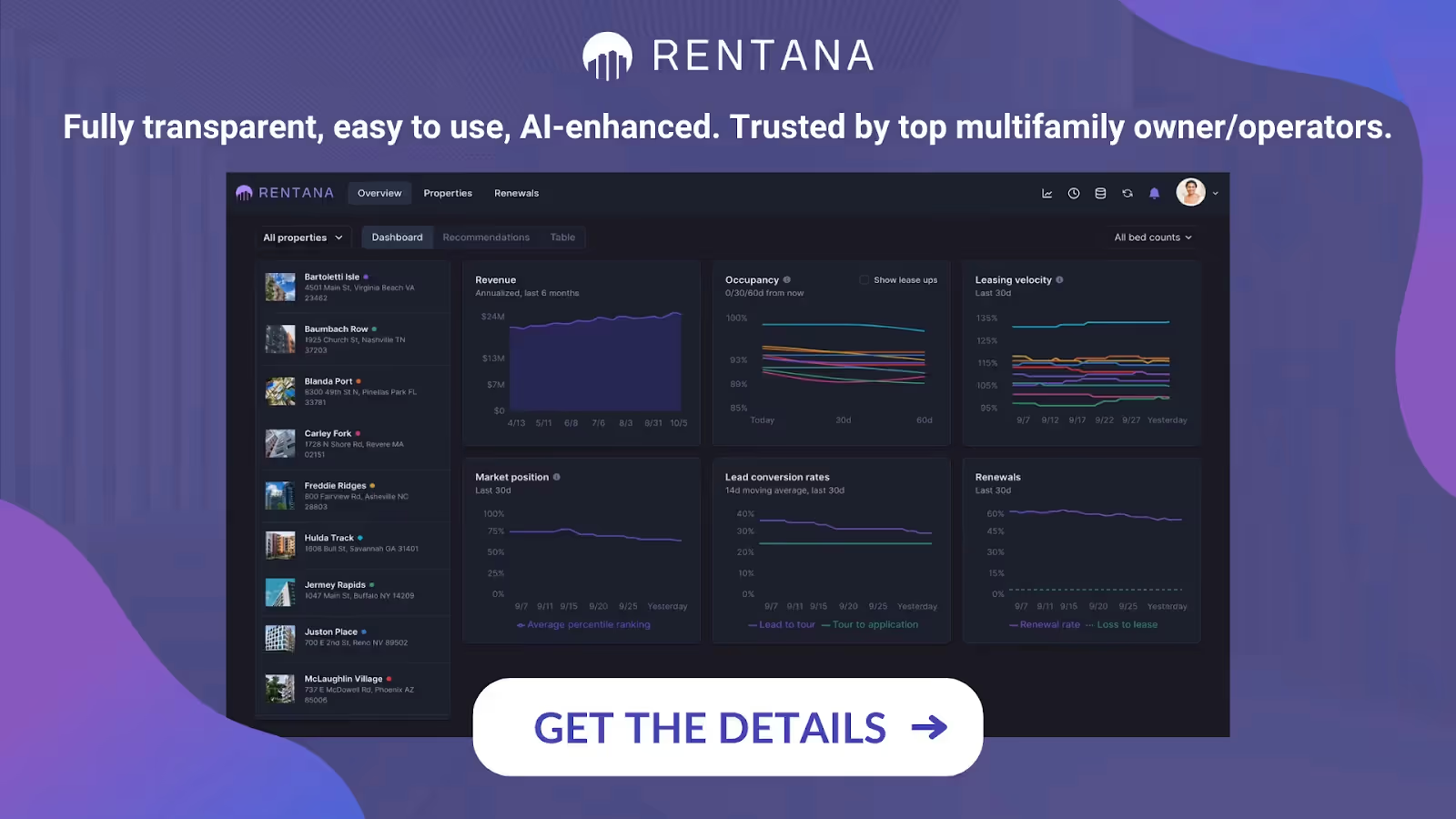
Rentana’s revenue management AI-powered platform helps owners and operators make confident, data-driven decisions around rent pricing and lease renewals, including when and how to use rent concessions. By analyzing real-time market conditions, demand signals, vacancy patterns and competitive behavior, Rentana shows where concessions may be necessary and where they are not.
Instead of relying on gut instinct, landlords can see which units are underperforming, which unit types are leasing well and how market conditions are shifting. This allows concessions to be applied selectively, only where they will have the greatest impact.
Rentana helps multifamily owners and operators:
- Optimize unit pricing while accounting for concessions
- Identify when concessions are needed to protect occupancy
- Avoid over-discounting in strong demand conditions
- Balance leaseholder incentives with long-term revenue goals
By integrating advanced revenue intelligence into leasing decisions, Rentana enables landlords to use rent concessions as a strategic tool rather than a reactive one, improving lease-up performance while safeguarding profitability.
When and Why Landlords Use Rent Concessions
Rent concessions are most effective when they are used with a clear purpose. Landlords typically offer concessions to solve specific leasing challenges or respond to changing market conditions. Below are the most common situations where concessions make sense, along with the reasons behind them.
1. Slow Leasing Periods
Leasing activity can slow down even when a property is well maintained and properly priced. Fewer tours, fewer applications and longer days on market are often early signs. In these situations, a rent concession can help renew interest and push hesitant renters to take action.
Why it works: A limited-time incentive creates urgency and gives renters a reason to choose your property over waiting or continuing to search.
2. High Vacancy Levels
When multiple units sit empty at the same time, the loss in rent can quickly add up. Concessions are often used to reduce vacancy faster and stabilize cash flow.
Why it works: Filling a unit sooner, even with a short-term concession, is often more profitable than letting it sit vacant for months.
Related: How To Calculate the Value of a Multifamily Property Easily
3. New Property Lease-Ups
Brand-new properties often need momentum to build initial occupancy. Even luxury buildings may struggle early if renters are not yet familiar with the property.
Why it works: Concessions help attract early renters, create buzz and build a resident base that supports long-term leasing success.
4. Highly Competitive Markets
In areas where many similar properties are competing for the same renters, concessions can help a property stand out without lowering rent.
Why it works: When renters are comparing multiple options, a concession can tip the decision in your favor while keeping your advertised rent competitive.
5. Seasonal Drops in Demand
Certain times of the year naturally see lower rental demand. Winter months or periods after peak moving season can slow leasing.
Why it works: Seasonal concessions help maintain steady occupancy during slower months and prevent revenue dips that could carry into the busier season.
When used with clear intent and the right data, rent concessions can be a smart tool for navigating market challenges while protecting long-term rental performance.
Benefits of Offering Rent Concessions for Landlords

When used the right way, rent concessions can be a helpful tool for landlords, not a sign of weakness. They give you flexibility, help solve leasing challenges and can protect long-term revenue when the market shifts. Below are the key benefits, explained in a more straightforward and practical way.
1. Attract and Retain Renters more Easily
One of the biggest advantages of rent concessions is how effective they are at getting renters to say yes. When prospects are comparing multiple properties, a well-timed incentive can be the final push that makes them choose yours. For current renters, concessions can also encourage renewals, which helps reduce turnover and the costs that come with empty units.
2. Improve Occupancy and Stabilize Cash Flow
Empty units are expensive. Even a short vacancy can quickly add up in lost rent. Concessions help fill units faster, especially during slower leasing periods or when launching a new property. Higher occupancy means more predictable income and fewer gaps in cash flow.
Related: 9 Best AI Tools for Commercial Real Estate
3. Maintain Flexibility without Cutting Rent Long-term
Rent concessions allow landlords to stay competitive without lowering the advertised rent. This is important for protecting future rent growth and property value. Concessions give you room to adjust your strategy as market conditions change, whether demand is high or slow.
4. Speed up the Leasing Process
Renters often hesitate when making a leasing decision. A concession can reduce that hesitation and help move them forward faster. Shorter decision timelines mean fewer days vacant and quicker revenue recovery.
When used strategically, rent concessions give landlords a way to stay competitive, protect revenue and keep leasing momentum strong, even when the market is challenging.
Don’t Miss: Is Multifamily Considered Commercial?
Conclusion on Rent Concessions
Rent concessions can be a powerful tool when they are used with intention and supported by the right information. The key is knowing when a concession will truly help fill a unit and when it may simply give away revenue. With clear market insight and performance data, landlords can apply concessions where they matter most and avoid unnecessary discounts. Platforms like Rentana help bring that clarity by showing how demand, pricing and leasing trends are shifting, making it easier to use rent concessions strategically while protecting long-term value.