Have you ever looked at your revenue numbers and felt like something was missing? Sales are steady, demand seems healthy, yet growth never quite matches expectations. Prices feel either too high or too cautious, discounts creep in to fill gaps, and decisions often rely on instinct more than data.
This is the challenge many businesses face heading into 2026. Markets move faster, customers have more options, and small pricing or timing mistakes can quietly stall growth. That is why revenue optimizer software has become a critical tool rather than a nice-to-have. The best platforms do not just track performance. They help teams understand demand, adjust pricing in real time, and make confident decisions that compound over time.
In this guide, we explore what makes the best revenue optimizer software for growth in 2026 and how modern tools are changing the way businesses unlock revenue.
Related: 6 Best Revenue Optimization Strategies for Businesses
What Is a Revenue Optimizer Software?
Revenue optimizer software is a tool that helps businesses make smarter decisions about pricing, demand, and revenue strategy. Instead of relying on fixed rules or gut instinct, it uses data and analytics to show when prices should change, where revenue is being missed, and how demand is shifting.
At its core, a revenue optimizer connects performance data with market signals to guide better decisions. It helps teams answer questions like: Are prices set correctly? Is demand rising or slowing? Are we discounting when we do not need to? The goal is not just to report on revenue, but to actively improve it.
Example
Imagine a multifamily property manager overseeing several apartment buildings. Some units lease quickly while others sit empty longer, even though rents are similar. Without a revenue optimizer, the manager might apply the same rent increase or concession across the board.
With revenue optimizer software, the manager can see which unit types have strong demand, which ones are slowing, and how nearby properties are pricing similar units. Pricing and concessions can then be adjusted more thoughtfully, helping units lease faster and revenue grow without unnecessary discounts.
Related: How to Build Property Performance Dashboards for Multifamily
What Revenue Optimizer Software Does and Why It Matters
Revenue optimizer software helps businesses turn data into better decisions. Instead of reacting to revenue changes after they happen, these tools analyze demand patterns, pricing behavior, and performance trends to guide actions in real time.
At a high level, revenue optimizer software helps forecast demand so teams can see where interest is rising or slowing before it impacts revenue. It supports smarter pricing by showing when prices are aligned with demand and when adjustments make sense. Over time, this leads to stronger revenue outcomes without relying on constant discounts or guesswork.
Why it matters is simple. As markets move faster, the cost of slow or uninformed decisions increases. Revenue optimizer tools help businesses act earlier, reduce uncertainty, and make decisions that compound into sustainable growth rather than short-term fixes.
Key Features to Look for in Revenue Optimization Software (2026)

When choosing revenue optimizer software in 2026, not all tools are built the same. Some offer surface-level charts, while others provide real-time, actionable guidance that helps teams make smarter decisions daily. Below are the most important criteria to evaluate, each with its own focus and value.
1. Real-Time Data and Market Awareness
Revenue optimization only works when it reflects what is happening now. Markets shift quickly, and tools that rely on outdated or delayed data can lead to pricing decisions that miss the mark.
Best-in-class solutions ingest real-time performance data, competitor behavior, demand signals, and market movement continuously. This ensures insights and recommendations are timely, not stale.
Why it matters:
Decisions backed by up-to-the-minute information are more relevant and reduce the risk of missed revenue opportunities. For example, Rentana syncs daily for comps, there is an on demand feature for generating pricing recommendations.
2. Explainable AI Insights
AI recommendations are not useful if you don’t understand them. The strongest revenue optimizer platforms provide clear explanations behind their suggestions, showing the trends and drivers influencing each recommendation.
This makes decisions more transparent and easier to justify to stakeholders, and it builds trust across teams.
Why it matters:
Operators can see why a recommendation exists, not just what it says, which supports better adoption and confidence.
Top Pick: AI in Revenue Management: Top 7 Use Cases
3. Unit-Level Analytics
In multifamily and many other industries, averages can hide key details. A building may look “fine” on paper, while specific unit types or segments are underperforming.
The best platforms analyze performance at granular levels — for example, by unit type, bedroom count, or floor plan — so pricing and strategy can be more precise.
Why it matters:
Greater precision helps capture revenue where demand is strong and adjust strategy where it isn’t.
4. Automation and Workflow Integration
Data analysis should reduce workload, not add to it. Top revenue optimization tools automate routine tasks like data ingestion, trend detection, and alerting. They also integrate seamlessly into existing systems and workflows so operators don’t have to work harder to get insights.
Why it matters:
Automation saves time and lets teams focus on action rather than preparing reports.
5. Forecasting and Predictive Capabilities
Looking backwards only tells you what already happened. The most useful tools provide forward-looking insight by forecasting demand, occupancy, and revenue trends.
Predictive analytics helps teams anticipate changes in demand and occupancy before they occur, giving them a head start on pricing, marketing, and renewal strategy.
Why it matters:
Forecasting moves teams from reactive to proactive decision-making.
6. Clear Actionable Outputs, Not Just Reports
At the end of the day, revenue optimization is valued by results, not dashboards. The best software highlights what matters most, identifies risks, and suggests next steps instead of leaving teams to sift through numbers.
Why it matters:
Actionable insights support faster, more confident decisions that drive measurable growth.
Together, these features define what a high-impact revenue optimizer should deliver by 2026. Tools that check all of these boxes help teams move faster, reduce uncertainty, and make smarter revenue decisions every day.
Related: 9 Ways to use AI for Multifamily Investing & Reporting
Why Rentana Is the Best Revenue Optimizer Software for Multifamily Operators in 2026
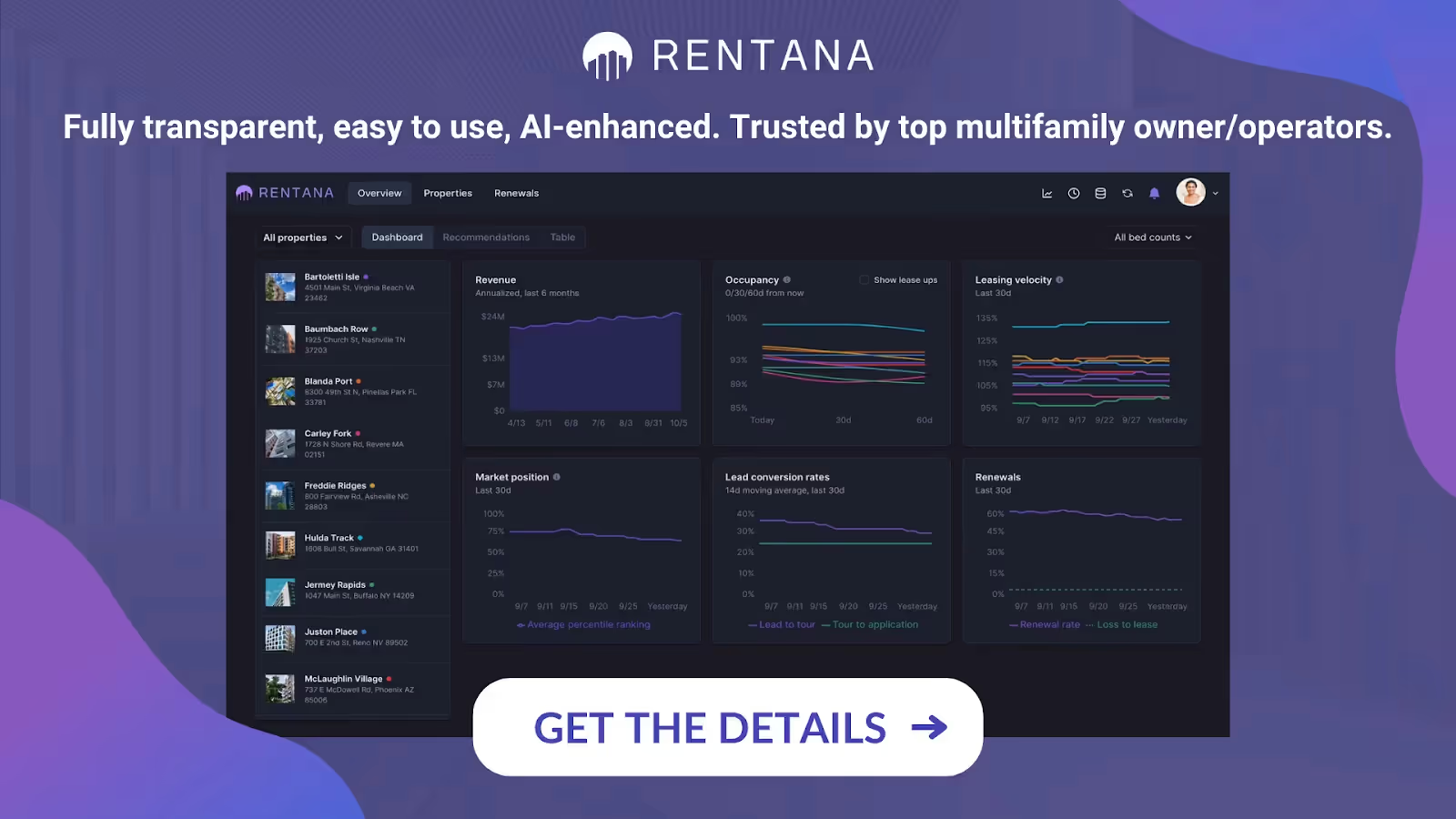
In 2026, revenue optimization is no longer about dashboards and historical reports. It is about fast, explainable, real-time guidance that helps operators act with confidence. Rentana stands out because it turns analytics into daily decisions that directly impact revenue, occupancy, and NOI.
Always Working With Current Market Conditions
Rentana continuously reflects what is happening in the market right now. Leasing activity, demand signals, unit performance, and pricing movement are updated as conditions change, not weeks later. This allows operators to respond immediately instead of making decisions based on outdated assumptions.
Clear Reasoning Behind Every Recommendation
Revenue decisions are easier to trust when the logic is visible. Rentana provides context for every insight, showing the trends and signals driving each recommendation. This helps teams confidently act on pricing guidance and clearly communicate decisions to ownership and stakeholders.
Precision That Matches How Properties Actually Perform
Performance is rarely uniform across a property. Rentana focuses on unit-level and unit-type behavior so operators can see where demand is strong, where it is softening, and where pricing decisions matter most. This precision leads to better pricing alignment and stronger renewal outcomes over time.
Less Time Analyzing, More Time Deciding
Rentana reduces the manual work that slows teams down. Data ingestion, trend monitoring, and alerts happen automatically, so teams spend less time pulling reports and more time making decisions. The platform fits naturally into existing workflows without adding operational friction.
Seeing What’s Coming Before It Hits Revenue
Instead of reacting after performance changes, Rentana helps teams anticipate what is ahead. Demand shifts, availability pressure, and renewal timing are visible early, giving operators time to adjust strategy before revenue is impacted.
From Insight to Action Without the Guesswork
Most importantly, Rentana focuses on what needs attention now. It highlights risks, surfaces opportunities, and guides next steps instead of leaving teams to interpret raw data. The result is faster, more consistent decision-making across pricing, leasing, and renewals.
Read Also: The Best Multifamily Market Analytics Software for Investors
The Rentana Difference
What distinguishes Rentana from legacy reporting tools and basic analytics solutions is how it transforms multifamily revenue optimization into a daily advantage rather than a monthly task. It blends real-time market awareness, explainable AI, granular detail, and operational usability into one assistant that empowers teams to act faster and with more confidence.
For multifamily operators looking to grow revenue intelligently in 2026 and beyond, Rentana represents what best-in-class revenue optimization software should look like, not just because it offers powerful features, but because those features are built around how operators actually work and make decisions.
Real Results: How Rentana Drives Growth Beyond Traditional Reporting
Real revenue optimization is measured by outcomes, not dashboards. URS Capital Partners’ experience with Rentana shows what happens when analytics move beyond reporting and start guiding action.
Marking its first step into revenue management technology, URS deployed Rentana across 12 properties totaling 2,500 units in just two weeks. The goal was to gain clearer pricing guidance without slowing teams down. Over the following year, the impact was measurable and immediate. URS achieved a 414 percent ROI, driven by stronger pricing decisions, faster execution, and improved visibility across the portfolio.
The results included 8.2 percent sequential NOI growth from Q1 to Q2, a 7.3 percent daily occupancy improvement from March through September 2025, and rent reviews that became five times faster. Pricing analysis time dropped from 90 minutes to just 15 minutes per property, saving teams more than four hours each week. That time was redirected toward strategy and performance rather than manual analysis.
After evaluating two incumbent tools and a new entrant from an industry veteran, URS chose Rentana for its speed, intuitive design, and hands-on support. The platform allowed teams to focus on decision-making instead of wrestling with software. As Heather Moore, Consultant at URS Capital Partners, shared, “Rentana is the best tool to manage your business and focus on what matters. It’s beyond BI. It’s an interactive dashboard where operators and asset managers can see not just if they can make more money, but exactly how to make more money.”
Rentana combines public market trends with each customer’s private rental data to deliver real-time, customized pricing recommendations backed by clear, data-driven rationale. Its flexible configuration supports varying lease terms, local regulations, and portfolio complexity while maintaining full visibility across all properties. By anticipating lease turnover and surfacing revenue opportunities early, Rentana helps teams stay ahead of market shifts rather than react to them.
Don’t Miss This: How To Do A Rental Market Analysis Like a Pro (With AI Tools)
Conclusion on Revenue Optimizer Software
In 2026, revenue optimization is no longer a future goal. It has become a day-to-day requirement. Markets move faster, customers have more choices, and small pricing or timing mistakes can quietly limit growth. The best revenue optimizer software helps teams stay aligned with real demand, respond quickly to change, and make smarter decisions without relying on guesswork.
Choosing the right platform now means looking beyond features and focusing on impact. Solutions that combine real-time data, explainable insights, and ease of use allow revenue optimization to become part of everyday operations. With tools like Rentana, businesses can move from reactive adjustments to confident, forward-looking strategies that support sustainable growth.