Multifamily rent pricing has always walked a fine line. Price too high and units sit empty. Price too low and revenue quietly slips away. For years, operators relied on experience, comps, and scheduled rent reviews to find that balance.
The challenge is that the market no longer moves at that pace. Demand shifts faster, renter expectations change, and new supply can alter pricing power almost overnight. Small delays or assumptions in pricing decisions can have a bigger impact than most teams realize. For many teams, pricing decisions still happen under time pressure, with incomplete visibility and limited time to review every unit.
This is where AI is changing the game. By turning real-time demand signals into clearer pricing guidance, AI is helping multifamily operators move beyond guesswork and build a stronger rent pricing strategy in multifamily that reflects real leasing behavior and performance trends.
Related: Which Multifamily Software Has the Best AI Features?
Why Rent Pricing Strategy Matters More Than Ever in Multifamily
Multifamily rent pricing strategy is one of the most important levers in its performance. Even small pricing decisions can have a direct impact on occupancy, revenue stability, and long-term NOI. A rent that is slightly misaligned with demand can lead to longer vacancy, increased concessions, or missed income across dozens or hundreds of units.
What makes pricing even more critical today is how quickly the rental market shifts. Demand can change seasonally, competitors can adjust pricing in real time, and new supply can reshape renter behavior within weeks. In this environment, pricing is no longer a set-it-and-forget-it decision. It is a continuous strategy. A strong multifamily pricing strategy requires ongoing attention, not periodic adjustment.
Because NOI is closely tied to rental income, pricing decisions also influence asset value. When pricing supports steady occupancy and effective rent growth, portfolio performance strengthens. When pricing lags behind market conditions, revenue and valuation can quietly erode. In today’s fast-moving multifamily landscape, pricing strategy is not just about rent levels, it is about staying aligned with real demand.
That is why rent in multifamily has become a daily operating priority rather than a quarterly review exercise.
Related: 10+ Ways to Increase NOI for Multifamily (That Work)
The Limitations of Traditional Rent Pricing Methods
Traditional rent pricing approaches have worked for decades, but today’s multifamily market moves too quickly for many of these methods to keep up. Below are the most common limitations operators face.
1. Manual Comparable Rent Checks Are Often Incomplete
Many teams have historically relied on comps to set rents, comparing nearby properties or similar floor plans. The problem is that comps are often outdated, inconsistent, or based on asking rents rather than effective rents. They also fail to capture real-time demand changes happening inside your own property.
By the time comps are gathered and reviewed, conditions may already be shifting. This makes traditional multifamily pricing approach slower and less responsive than it needs to be.
2. Fixed Rent Increases Ignore Market Timing
Fixed rent increases assume that pricing should move in a predictable pattern, such as a standard percentage each year. But demand does not rise evenly. Some seasons support stronger pricing, while others require more caution.
Applying the same increase across the board can lead to units sitting vacant or revenue being left on the table when demand is strong. A modern rent pricing model in multifamily must adapt to timing, not just follow a schedule.
3. Periodic Pricing Reviews Are Too Slow for Modern Markets
Many operators still conduct pricing reviews on weekly or monthly cycles. In today’s environment, that pace is simply too slow. Leasing conditions can change within days due to supply deliveries, economic shifts, or renter behavior.
When pricing decisions lag behind demand, operators often end up reacting after occupancy has already been impacted rather than staying ahead of performance changes. An effective multifamily revenue approach requires continuous visibility into leasing activity, not delayed reviews
These limitations show why traditional pricing methods often struggle in fast-moving multifamily markets. Modern pricing strategy requires tools and insights that reflect demand as it changes, not after the fact. This also creates operational strain, forcing teams to manually revisit pricing more often without clear prioritization.
4. Lack of Unit-Level Context
Many traditional pricing approaches treat all units within a floor plan or property as interchangeable. In reality, small differences like floor level, view, layout, or timing can significantly affect demand.
When pricing ignores these nuances, strong units may be underpriced while weaker units struggle to lease. This lack of precision makes it harder to optimize revenue across the entire property and often leads to inconsistent performance. A more advanced multifamily rent pricing strategy looks at performance at the unit level, not just property averages.
Top Pick: How to Forecast Occupancy in Multifamily Real Estate
How AI Enhances Multifamily Rent Pricing
AI is redefining multifamily rent pricing strategy by helping operators understand demand as it changes, not weeks later. Instead of relying on static comps or scheduled rent reviews, AI analyzes real-time signals like leasing velocity, renter inquiries, seasonality, and market movement to guide smarter pricing decisions.
Below are the most important AI-driven pricing use cases for multifamily operators today.
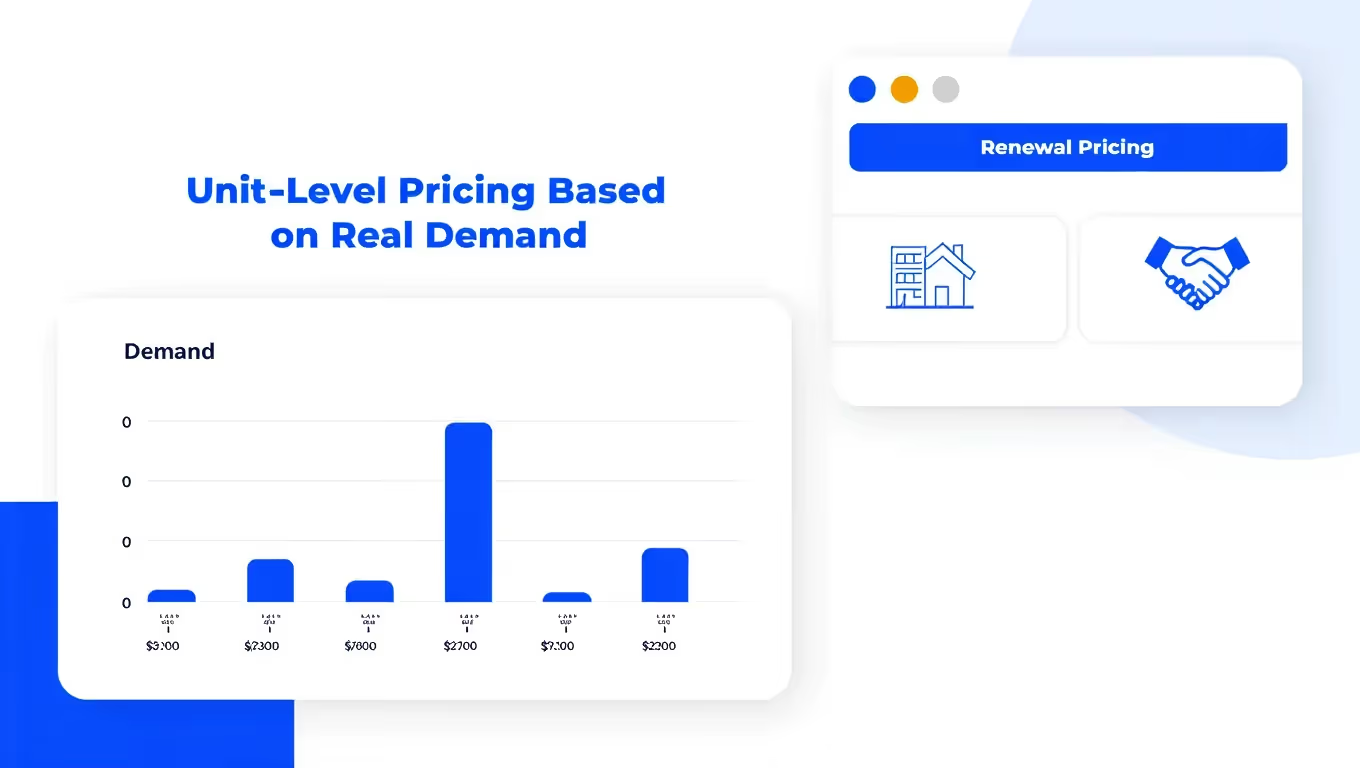
1. Unit-Level Pricing Based on Real Demand
Not every unit performs the same, even within the same building. AI helps operators price at the unit and floor plan level by tracking how quickly similar units lease, how much interest they generate, and how demand varies by layout or location within the property.
Rentana supports this by surfacing unit-level pricing insights tied to actual leasing behavior, helping teams avoid broad averages and make more precise decisions. This level of visibility strengthens multifamily pricing strategy by aligning rents with real demand patterns instead of assumptions.
2. Smarter Concession Strategy Without Overreacting
Concessions are often used when demand softens, but they can quickly erode effective rent if applied too aggressively. AI helps operators understand when concessions are truly necessary and when pricing is still supported without giving away revenue.
Platforms like Rentana help connect concession decisions to demand signals and market context, allowing operators to respond strategically rather than reactively. This makes multifamily rent pricing strategy more measured and consistent over time.
3. Renewal Pricing That Protects Income and Retention
Renewal pricing is one of the largest revenue levers in multifamily, yet it is often one of the least structured parts of the overall pricing approach. AI helps guide renewal decisions by considering market strength, unit performance, seasonality, and renter demand as leases approach expiration.
Rentana supports renewal pricing by showing how these factors are shifting in real time, helping operators protect long-term income while reducing unnecessary turnover. A strong revenue approach includes thoughtful renewal pricing, not just new lease prices.
4. Early Detection of Vacancy and Revenue Risk
Vacancy rarely happens without warning. AI monitors leasing velocity, inquiry volume, and days-on-market to identify units that may be at risk of sitting empty longer than expected.
Rentana helps highlight these early signals so teams can adjust pricing or leasing strategy before vacancy becomes costly. This allows multifamily rent pricing strategy to become proactive instead of reactive.
5. Pricing Decisions That Reflect Seasonality and Market Movement
Demand is seasonal, and markets move quickly. AI helps operators adjust pricing in alignment with current renter behavior, competitor movement, and local supply shifts, rather than relying on last quarter’s assumptions.
With platforms like Rentana, pricing guidance stays grounded in live market conditions, allowing operators to stay ahead instead of catching up. This keeps multifamily pricing modal aligned with real activity across the property.
By combining real-time demand signals with actionable use cases, AI helps multifamily pricing become more responsive, more precise, and more aligned with the way renters actually behave.
Related: How to Create Multifamily Property Performance Dashboards
How Platforms Like Rentana Support Smarter Multifamily Pricing Decisions
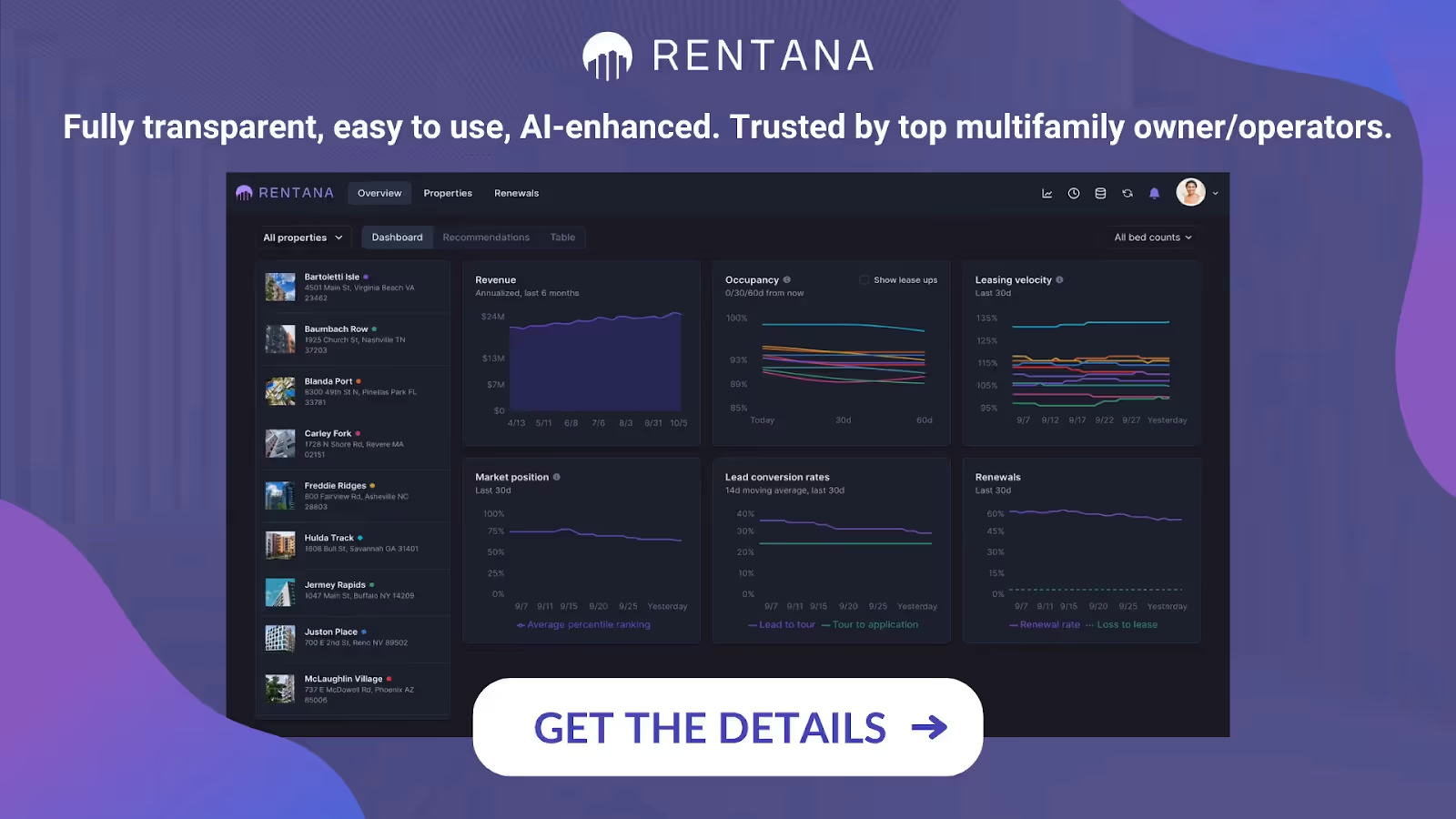
AI pricing strategy becomes truly valuable when it is easy for operators to apply in real life. That is where revenue intelligence platforms like Rentana come in. Instead of giving teams more dashboards or more raw data, Rentana helps translate pricing signals into clear, actionable guidance. This turns multifamily rent pricing strategy into a repeatable operating practice rather than a manual exercise.
Rentana connects unit-level performance with real-time market conditions, allowing operators to understand not just what rents are, but what demand supports right now. It surfaces patterns in leasing velocity, renter interest, and competitive movement so pricing decisions are grounded in real behavior rather than assumptions.
The platform also helps teams prioritize attention. Rather than reviewing every unit manually, operators can quickly see which units are under pressure, where vacancy risk is rising, and where pricing opportunities exist. This makes pricing reviews faster, more consistent, and easier to execute across an entire portfolio. This helps remove the burden of manual review across hundreds of units while still keeping operators in control of final decisions
Most importantly, Rentana supports confident decision-making. By combining market context with explainable insights, it helps teams adjust pricing, manage concessions, and approach renewals with greater clarity. In a multifamily environment where small decisions compound quickly, platforms like Rentana turn pricing strategy into a repeatable, proactive operating advantage.
Don’t Miss: The Best AI Tools for Real Estate Investors
Conclusion on Multifamily Rent Pricing Strategy
Rent pricing has always been one of the most powerful drivers of multifamily performance. What has changed is how quickly the market moves and how costly small pricing missteps can become. In today’s environment, relying on static methods or delayed reviews makes it harder to stay aligned with real demand.
AI brings pricing strategy into real time. By using live demand signals, unit-level performance, and market context, operators can make smarter decisions that protect occupancy, support NOI, and strengthen long-term portfolio value. Rentana shows how AI-driven pricing can move from theory to daily practice, helping teams stay proactive instead of reactive. This is what modern revenue approach in multifamily is designed to support. As 2026 continues to challenge traditional pricing approaches, operators who rely on real-time signals will have a clear advantage.
The real advantage is not pricing higher or lower, but pricing with clarity. In a fast-moving multifamily environment, the strongest portfolios are not just priced well, they are priced with clarity, consistency, and confidence.