A few years ago, one of my neighbors bought a small apartment to rent out. He thought it would be easy money, but he quickly realized he had no idea how much rent to charge or whether the area was even a good investment. He guessed, put the place on the market, and ended up losing months of income because the rent was too high.
That story isn’t unique. In fact, 21 million of U.S. renters spend over 30% of their income on housing, which shows just how important it is to get rental pricing and market research right.
Today, things are different. With smarter tools, landlords, investors, and even first-time hosts can check neighborhood trends, compare rents, and see if a property will actually make money before signing a lease or buying.
The right real estate market analysis tool saves you time, thousands of dollars and a lot of stress.
Related: How To Do A Rental Market Analysis Like a Pro (With AI Tools)
Key Features to Look for in Real Estate Market Analysis Tools

When you are choosing a real estate market analysis tool, it helps to know what really makes a difference. A good tool is more than just a fancy dashboard. It should actually make your life easier and help you make smarter choices. Here are the features that matter most:
Neighborhood Insights
Imagine standing in front of two houses that look almost the same. One is in a neighborhood with rising rents, new schools, and a growing job market. The other is in an area where people are moving away. Which one would you want to invest in? A tool with neighborhood insights gives you that bigger picture. It shows you trends like population growth, safety scores, and local amenities, so you’re not just buying a building, you’re investing in the future of the area.
Rent Comparables
One of the biggest mistakes landlords make is guessing what rent to charge. If you set it too high, the place sits empty. If you set it too low, you leave money on the table. Tools with rent comparables solve this by showing you what similar properties in the area are charging.
Predictive Analytics
Wouldn’t it be nice to know where real estate is heading instead of just looking at where it has been? That’s what predictive analytics does. These real estate market analysis tools use data from past trends and current activity to estimate what rents and demand might look like in the future. It’s like having a crystal ball, except it’s powered by math instead of magic.
Investment Calculators
Sometimes the numbers look good at first, but after you add taxes, repairs, and vacancies, the deal doesn’t shine as much. Investment calculators help you do the math without pulling out a spreadsheet. They show you cash flow, cap rates, and return on investment in a simple format, so you can tell if a property is really worth your money.
MLS and Property Management Integration
It’s one thing to analyze the market, but it’s another to actually manage a property. The best tools connect with MLS listings, so you can grab real-time data when searching for deals. They also link with property management systems, making it easier to track tenants, leases, and maintenance all in one place. It’s like having your rental business connected under one roof.
Recommended: How To Calculate the Value of a Multifamily Property Easily
Rentana: Best Real Estate Market Analysis Tool for Multifamily Revenue Performance
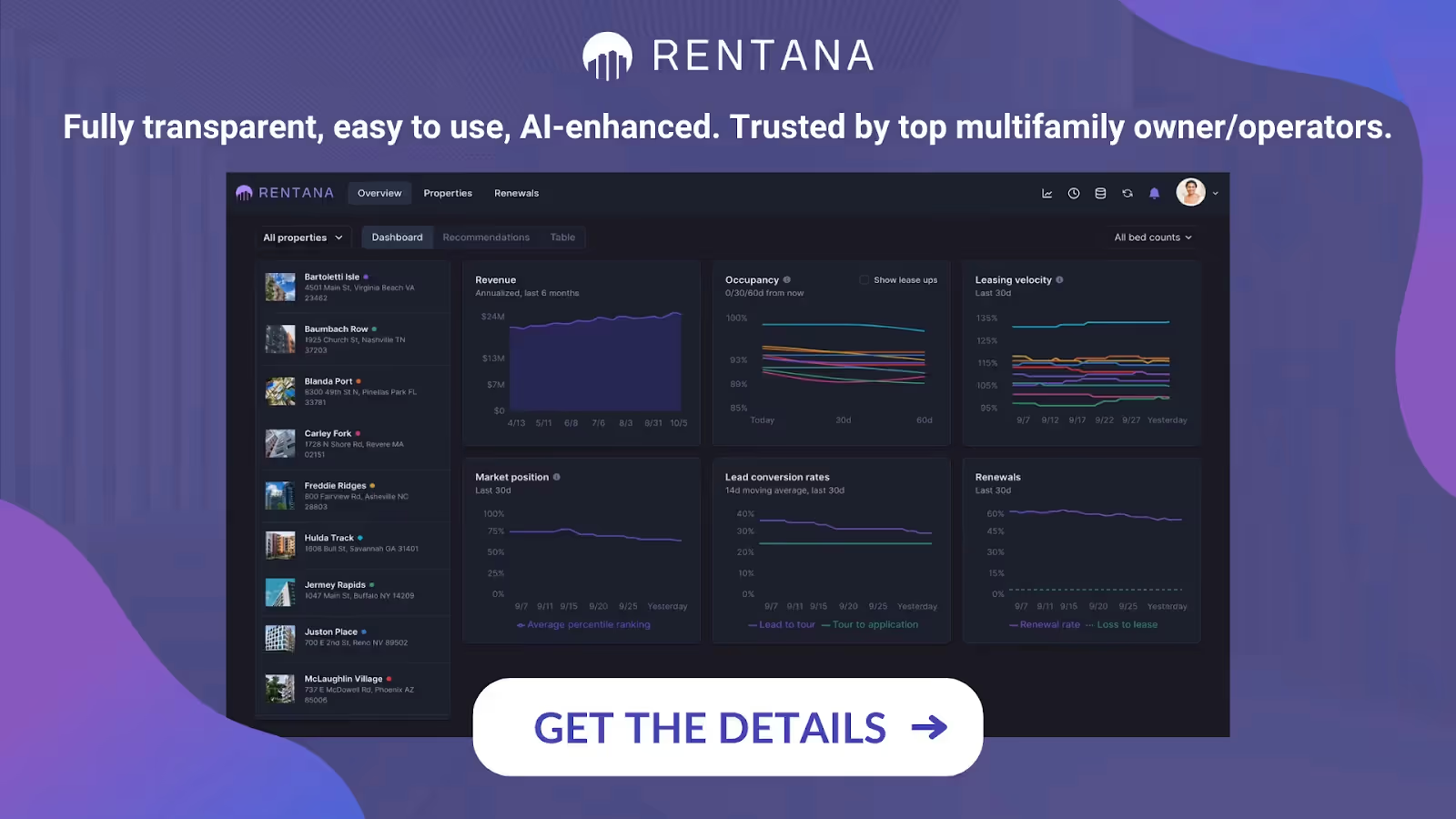
Rentana is a real estate market analysis and revenue intelligence platform designed to help multifamily teams understand how their properties are performing within the broader market. Rentana brings together property-level pricing, leasing, occupancy, renewal, and exposure data with broader context from public market data, giving operators a clearer view of both internal performance and external market conditions.
From a portfolio-level view, teams can quickly compare performance across properties and identify which assets are performing well and which may need attention. Users can then drill down into individual properties, layouts, custom unit groups, and units to better understand the factors influencing performance.
Rentana uses purpose-built pricing algorithms to generate pricing recommendations based on property performance and configured strategy. Each recommendation includes supporting reasoning and relevant performance data so operators can understand the factors behind the recommendation before deciding whether to accept, adjust, or override it.
When pricing decisions are approved, teams can send pricing updates back to their property management system, helping streamline execution across the portfolio.
Other highlights include:
- Public market context that helps teams evaluate property performance alongside broader publicly available market information.
- Flexible data access through downloads, APIs, and BI integrations.
- Metrics Browser and reporting tools that allow teams to analyze performance across properties, portfolios, layouts, and custom views.
- AI-generated Insights that surface important performance changes and help teams identify areas that may require attention.
Rentana is built for multifamily teams that want to understand their own performance within the broader market, make more informed revenue decisions, and manage pricing and portfolio strategy with greater clarity.
Top Pick: 9 Best AI Tools for Commercial Real Estate
How to Choose the Right Real Estate Market Analysis Tool

To recommend the best tool, the most important question is: what do you want to achieve?
For Individual Landlords
If you manage one or a few units, the most important factors are simplicity and speed. You want a tool that helps you confirm market rents, understand the competitiveness of your pricing, and check basic neighborhood trends without requiring a steep learning curve. A straightforward system that delivers quick answers is usually the best fit for this stage.
For Real Estate Investors
Investors often need deeper analysis to support long term decision making. This includes comparing multiple markets, modeling investment scenarios, evaluating cash flow, forecasting returns, and understanding how different assumptions affect performance over time. A tool built for investors should make it easy to run the numbers, explore new locations, and identify opportunities with clear data.
For Asset Managers
Asset managers typically work with larger portfolios and rely on consistent, transparent insights across many properties. They need tools that can surface trends, highlight underperforming assets, centralize data, and support strategic planning. The right system should help them monitor portfolio health and make informed decisions that improve performance.
For Property Managers
Property managers need clarity across many units that may vary in type, location, and condition. They benefit from tools that track market performance, identify pricing opportunities, and provide reliable benchmarks for each property they oversee. A platform that simplifies ongoing analysis can help reduce guesswork and support more confident recommendations to owners.
For Organizations with Growing Portfolios
Whether you are expanding from a single unit or managing thousands, a scalable tool can bring everything together in one place. The ideal solution should combine quick rent checks, detailed modeling, and portfolio level insights. It should give you the clarity to make smarter decisions at every stage of growth and support the long term success of your business.
Don't Miss: What is a Good IRR for a Rental Property?
Frequently Asked Questions on Real Estate Market Analysis Tools
How do I do a Market Analysis in Real Estate?
To do a market analysis in real estate, start by researching comparable properties in the same neighborhood, focusing on size, age, location, and amenities. Next, review recent sales data, rental prices, and vacancy rates. Evaluate supply and demand trends, local economic conditions, and future developments that may impact value. This helps determine accurate pricing, rental rates, and investment potential.
What are the 4 P’s of Marketing in Real Estate?
The 4 P’s of marketing in real estate are Product, Price, Place, and Promotion.
- Product refers to the property itself, including its features and condition.
- Price is the listing or rental rate set based on market analysis.
- Place refers to the location and how accessible the property is to buyers or renters.
- Promotion includes marketing strategies such as online listings, open houses, and advertising campaigns.
Which Tool is Best for Market Analysis?
There are several real estate market analysis tools, including Zillow, Mashvisor, and CoStar. However, the best tool for investors, property or asset managers who want reliable and easy-to-use insights is Rentana. Rentana helps multifamily owners, operators, and asset managers analyze pricing, leasing, occupancy, renewals, exposure, and property performance across their portfolios.
What is the Best AI tool for Real Estate?
The best AI tools for real estate help automate property valuation, lead generation, and market predictions. Popular options include Zillow’s Zestimate, Redfin’s AI-powered pricing tools,. Rentana, which uses AI-generated Insights to help multifamily teams surface and understand important property and portfolio performance changes.
Can I use AI for Real Estate?
Yes, AI can be used in real estate for property valuation, rental market analysis, predictive analytics, and even virtual tours. It helps investors make data-driven decisions, reduces time spent on manual research, and improves accuracy in pricing and forecasting. Platforms like Rentana use AI-generated Insights to help multifamily teams understand property performance and identify areas that may require attention